From Białystok to Bulawayo – A Journey Across Continents
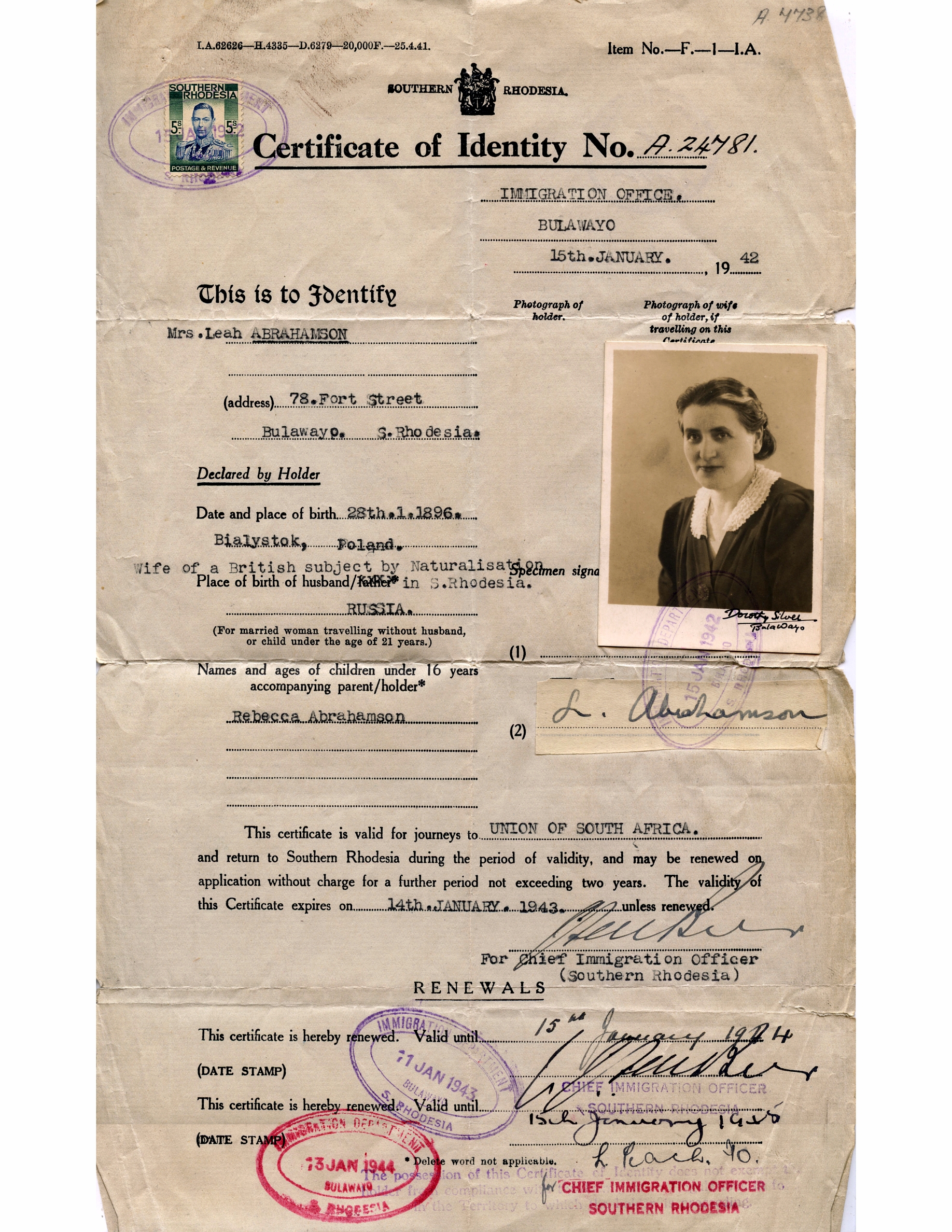
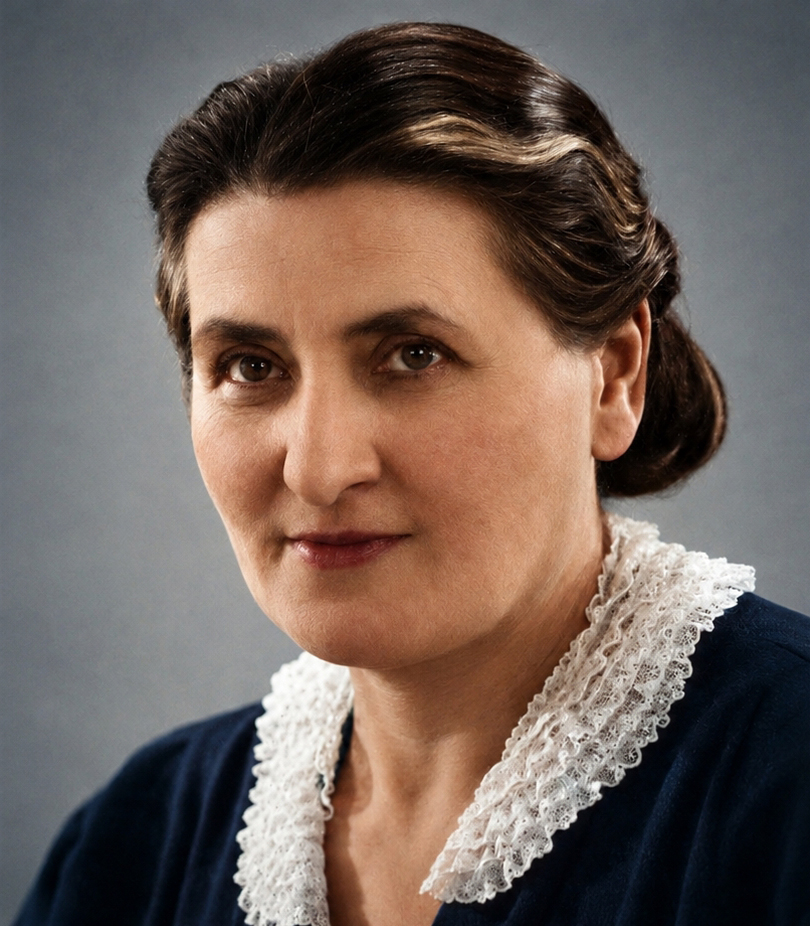
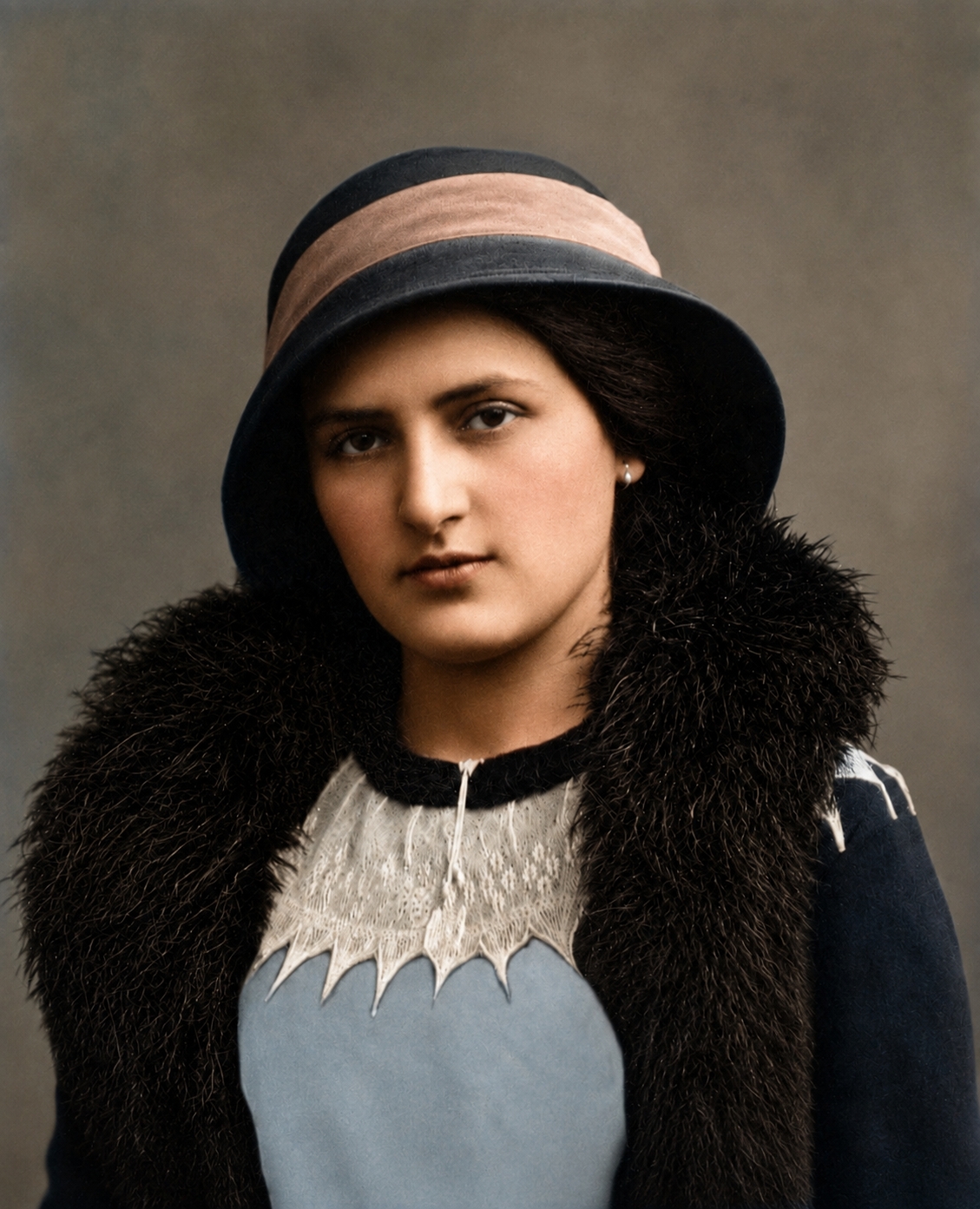
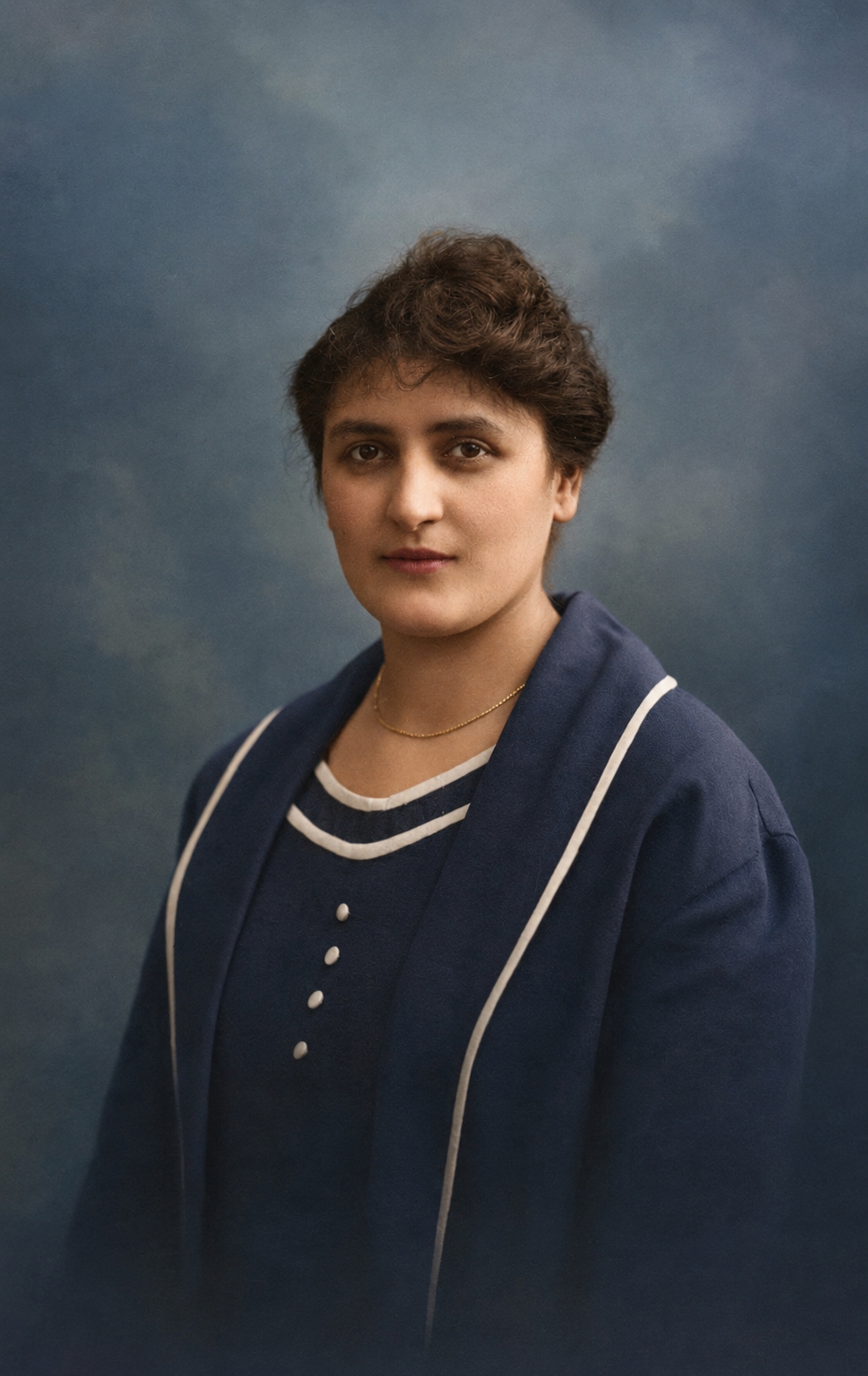
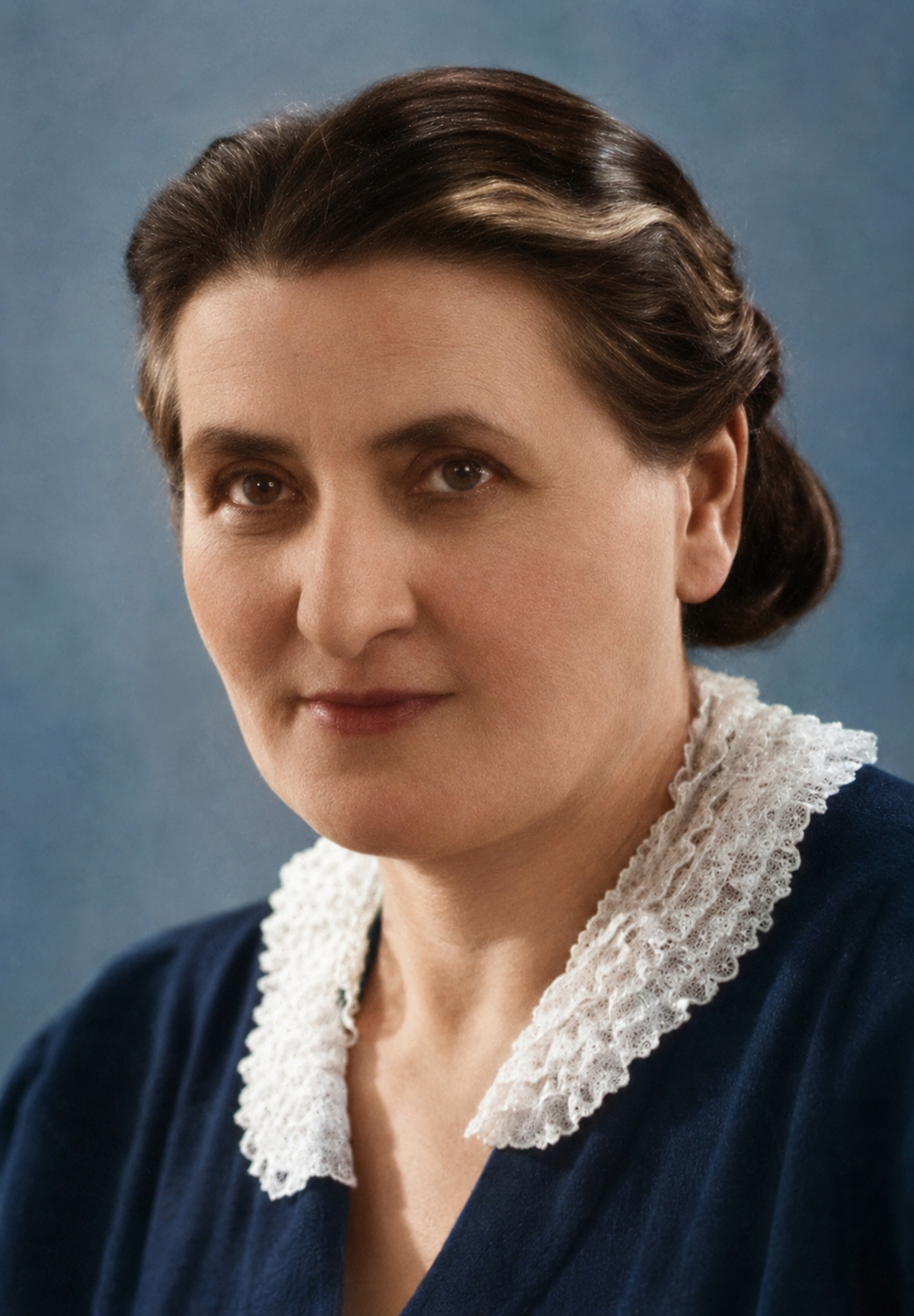
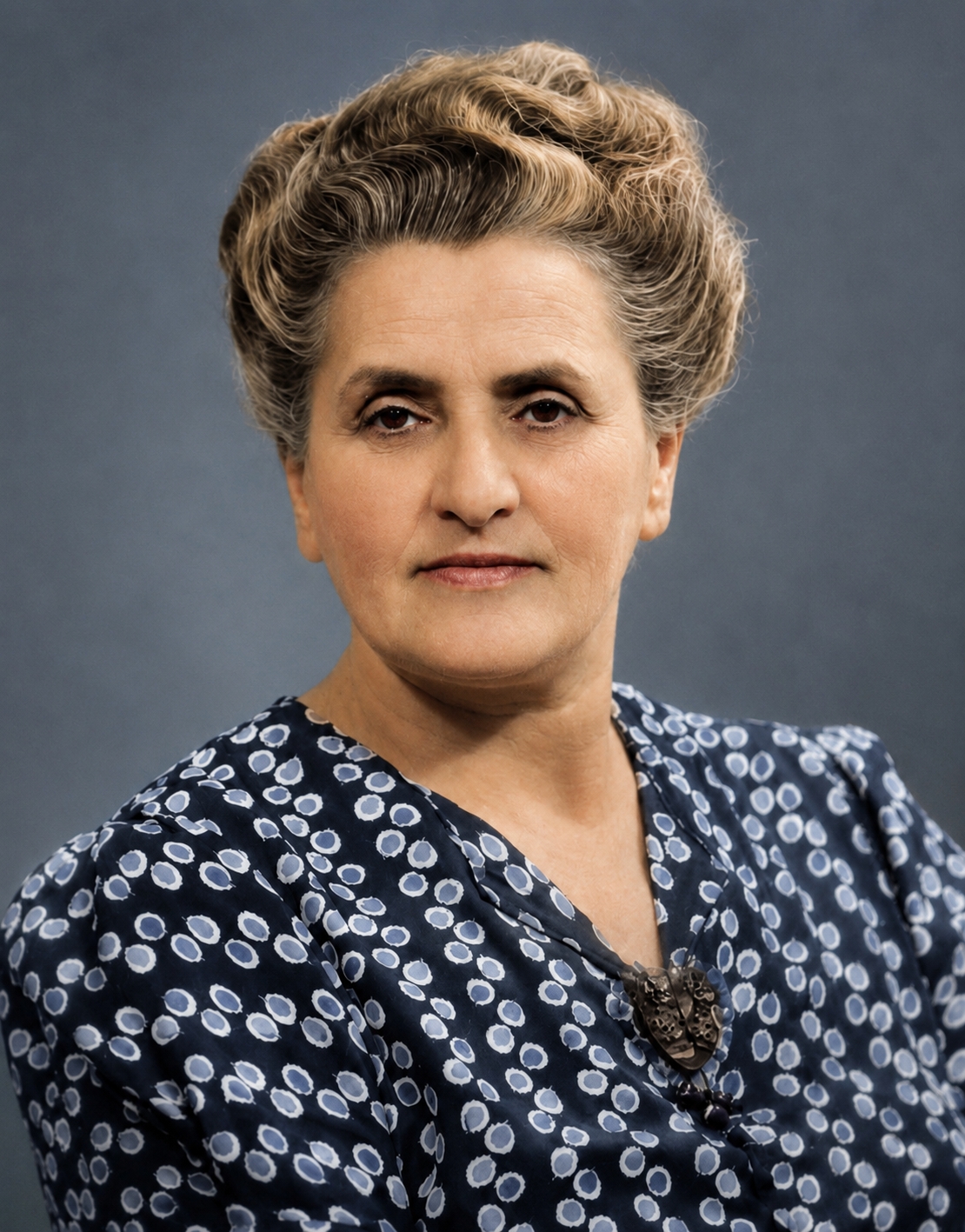
Leah Abrahamson (née Bejrachowicz) was born as Leja Bejrachowicz on 28 January 1896 in Białystok, then part of the Russian Empire (today in Poland). She was the daughter of Eliezer Bejrachowicz and Etta Bejrachowicz, members of a long-established Jewish family whose roots stretched deep into one of Eastern Europe's most important Jewish communities.
Leah grew up alongside her brothers and sister: (Areml (Avrom/Abram), Jacob, Yisroel, Eschel, Sarah, Maishe (Moishe), Morris & Itzik).
Together they formed a large Jewish family during the final decades of Imperial Russia—a time of enormous social and political upheaval. Their descendants would eventually be scattered across several continents, while many members of the extended Bejrachowicz family remained in Europe during the tragic years of the Holocaust.
At the time of Leah's birth, Białystok was one of the largest Jewish cities in Eastern Europe. Jews comprised a substantial proportion of the city's population, and it had become internationally famous for its textile mills, weaving factories and thriving commercial life. The city was rich in synagogues, schools, charitable institutions and Yiddish culture, creating an environment in which Jewish religious and communal life flourished.
The Bejrachowicz surname was uncommon but well established in Białystok. Historical records identify several members of the family as merchants, manufacturers and respected members of the community. One prominent Bejrachowicz family operated a successful textile business in the city, reflecting the close association between the family and Białystok's famous cloth industry.
Leah would have grown up speaking Yiddish at home while also learning Polish and Russian, the official language of the Russian Empire.
By the early 1920s, economic hardship, political instability and growing uncertainty encouraged many young Jews to seek new lives overseas.
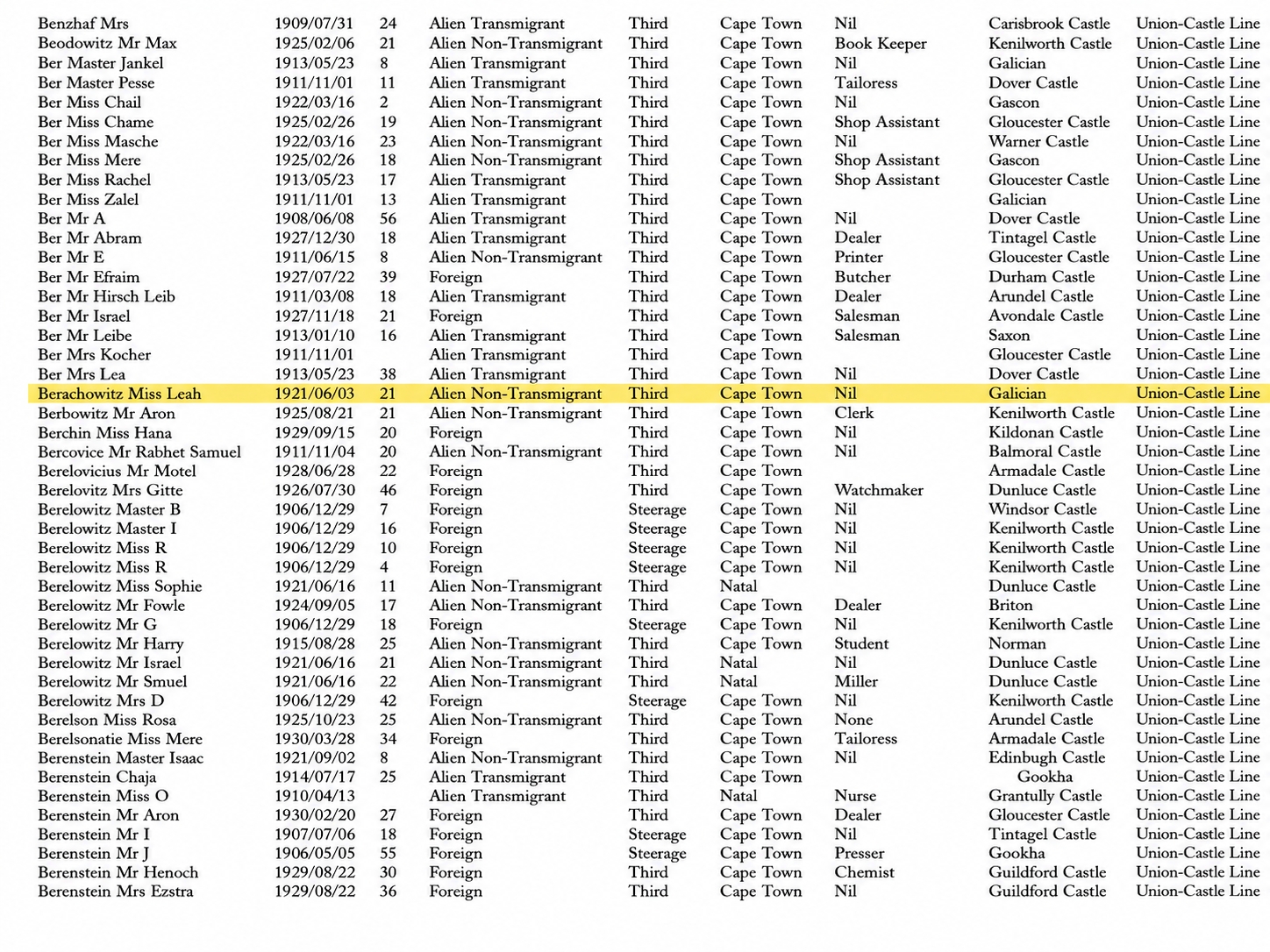
The Shawzins, having brought out Leah’s sister, Sarah to Bulawayo, Southern Rhodesia, now decided brought out Leah, specifically to meet the eligible young Morris Abrahamson. So, at twenty-five years of age, Leah made the courageous decision to leave her parents and siblings behind and join her sister. Travelling by rail from Białystok to Warsaw and onward across Europe, Leah reached England before boarding the Union-Castle liner Galician.
On 3 June 1921, she arrived in Cape Town, South Africa.
Soon after arriving in Southern Africa, Leah married Morris (Moszek) Abrahamson, another Jewish immigrant whose family also originated from the Białystok region.
Together they settled in Bulawayo, Southern Rhodesia (now Zimbabwe), where Morris established himself as a successful businessman and manufacturer. The Abrahamsons became respected members of Bulawayo's Jewish community, participating actively in communal and Zionist life.
Their marriage united two families that had both begun their journeys in the Jewish communities of Eastern Europe.
Leah and Morris had two children:
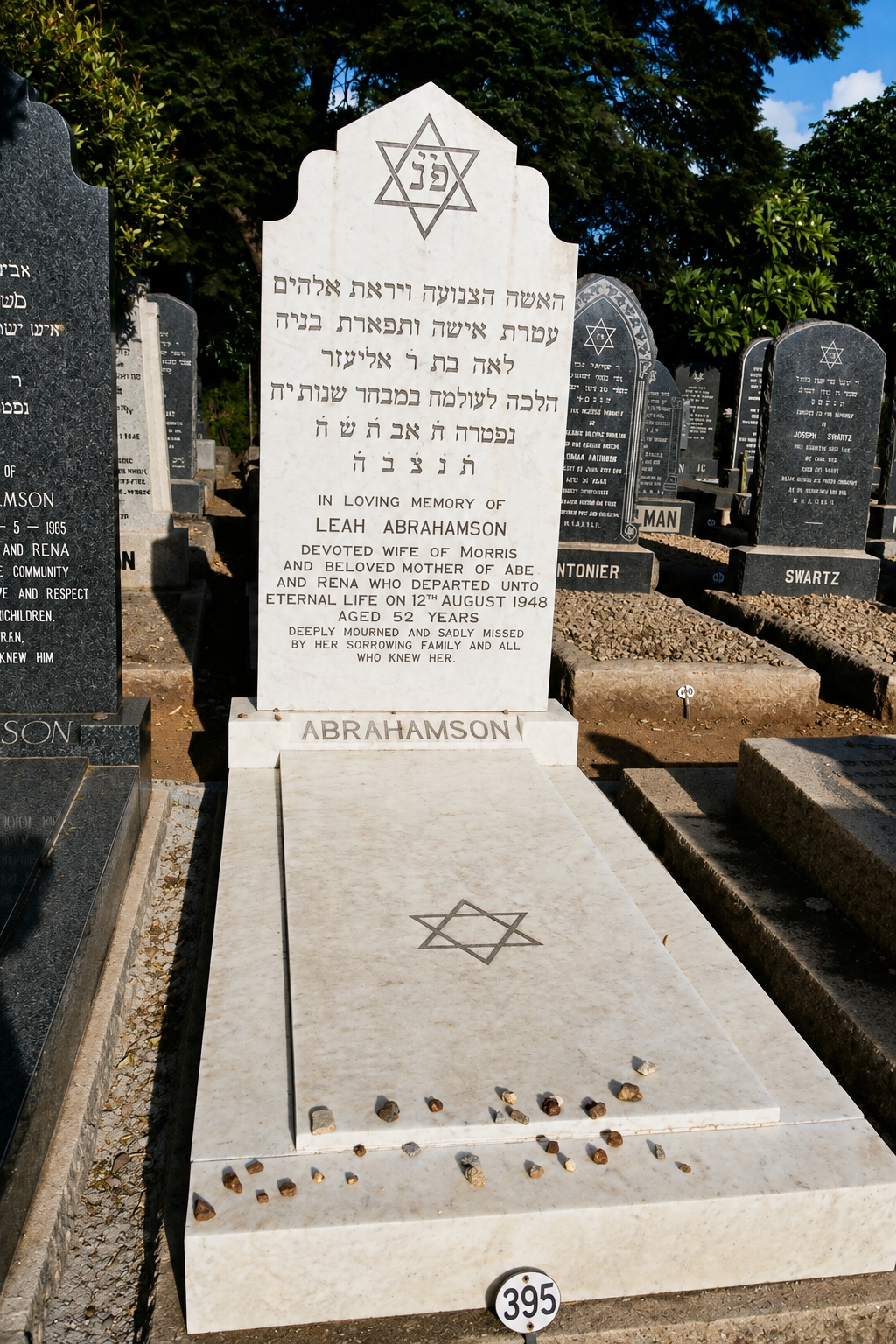
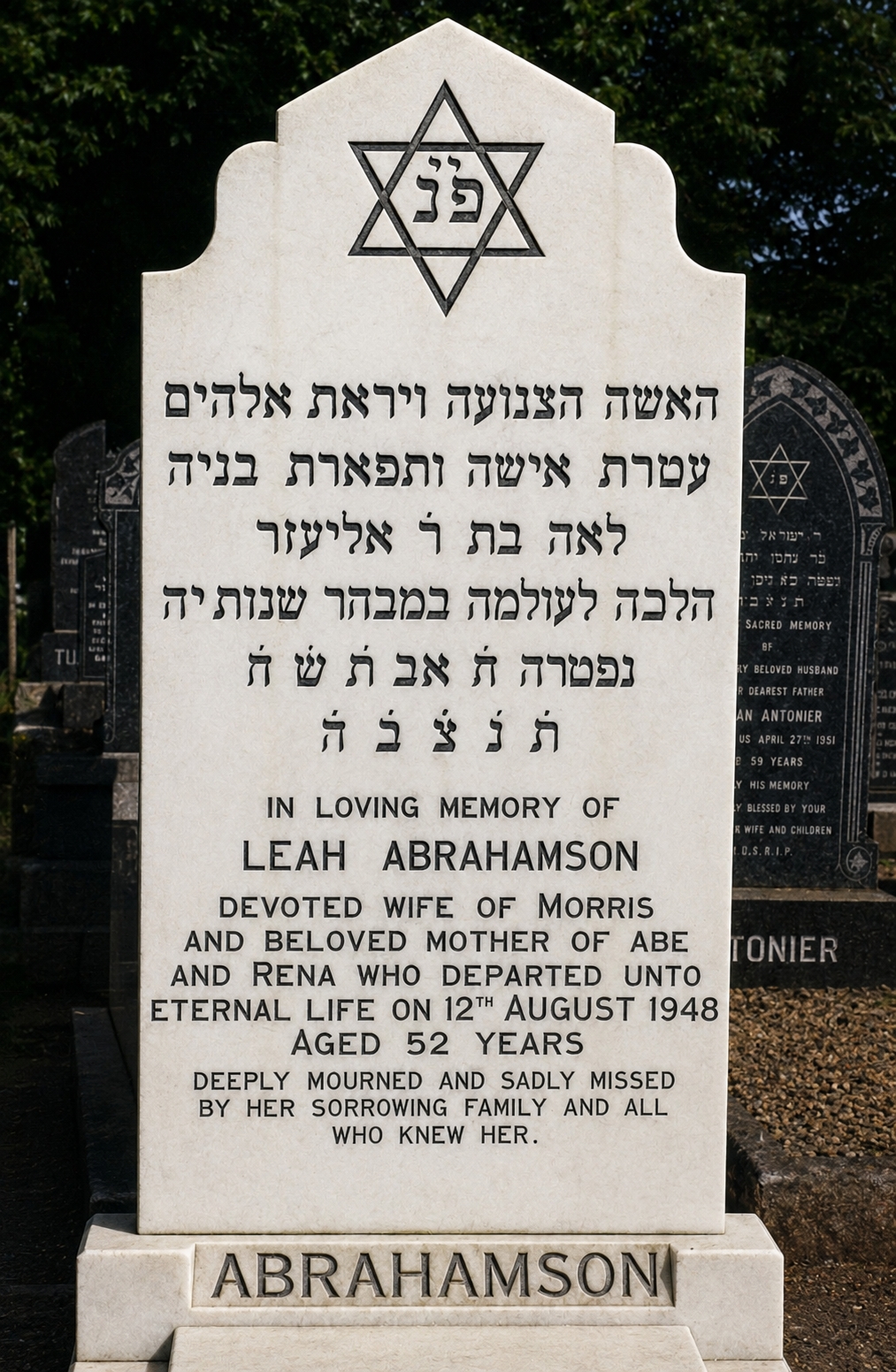
- Rebecca (Rena) Abrahamson, later Rena Reiff
- Abe Eliezer Abrahamson
Both children continued the family's tradition of community service and enterprise, and today their descendants live in Zimbabwe, South Africa, Canada, Israel and elsewhere.
When Leah sailed from Europe in 1921, she could never have imagined the tragedy that would later engulf her birthplace.
Twenty years later, Nazi Germany occupied Białystok.
The city's once-thriving Jewish community was forced into the Białystok Ghetto before being almost entirely destroyed during the Holocaust. Tens of thousands of Jewish men, women and children were murdered, bringing centuries of Jewish life in Białystok to a devastating end.
Historical records continue to reveal members of the wider Bejrachowicz family living in Białystok before the war, suggesting that many of Leah's extended relatives remained in Poland after her departure.
Research into the family continues in the hope of identifying the fate of each branch of the Bejrachowicz family.
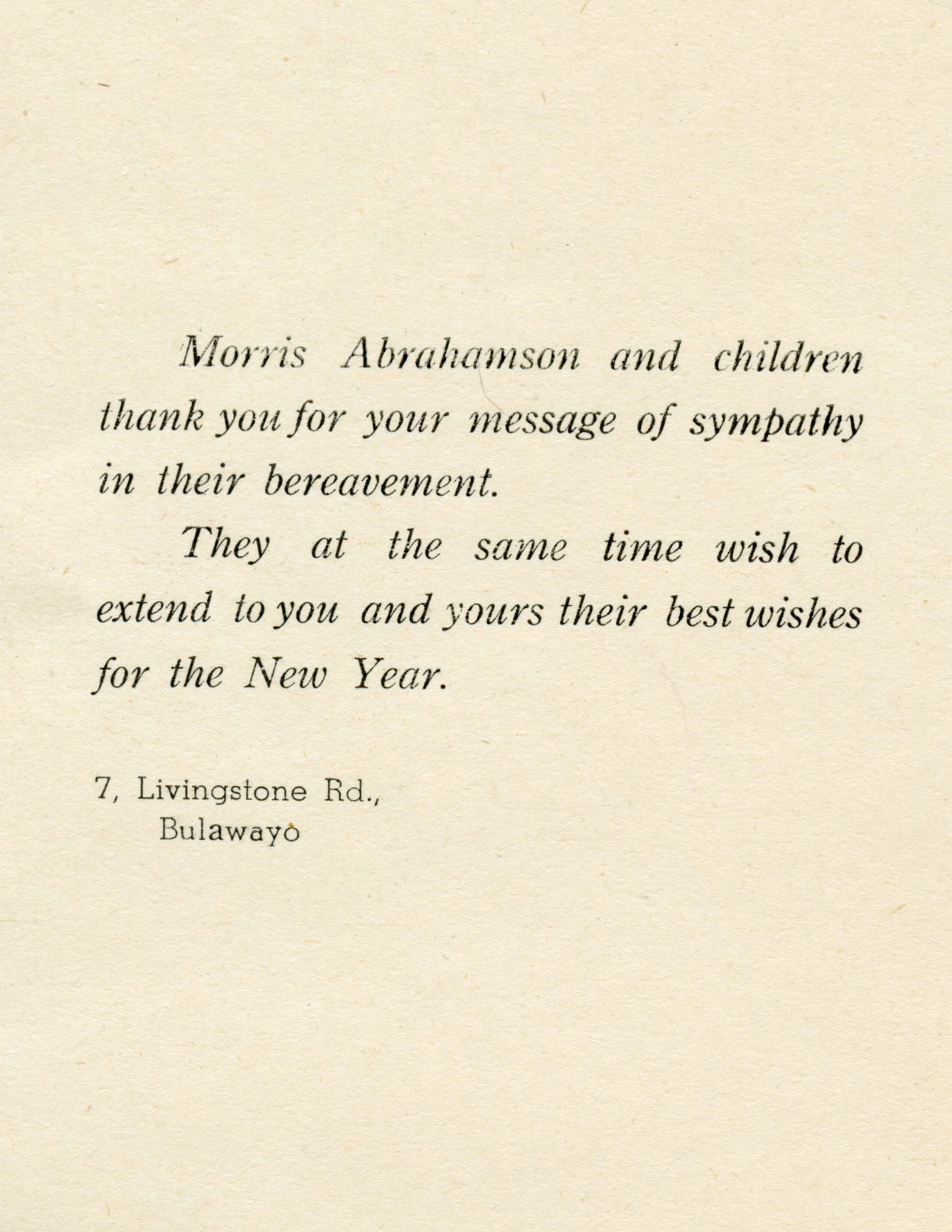
Leah spent the remainder of her life in Bulawayo surrounded by her husband, children and friends.
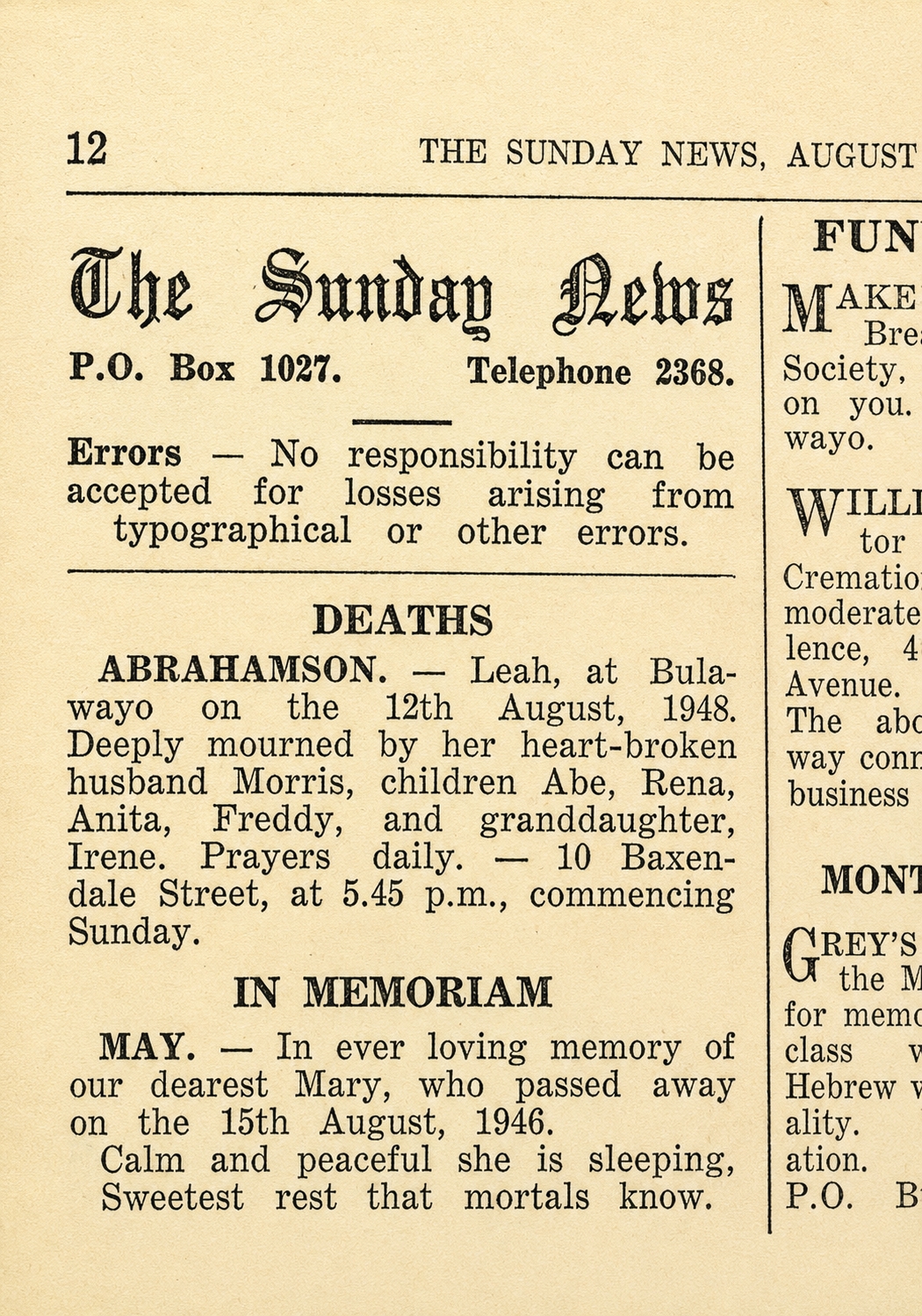
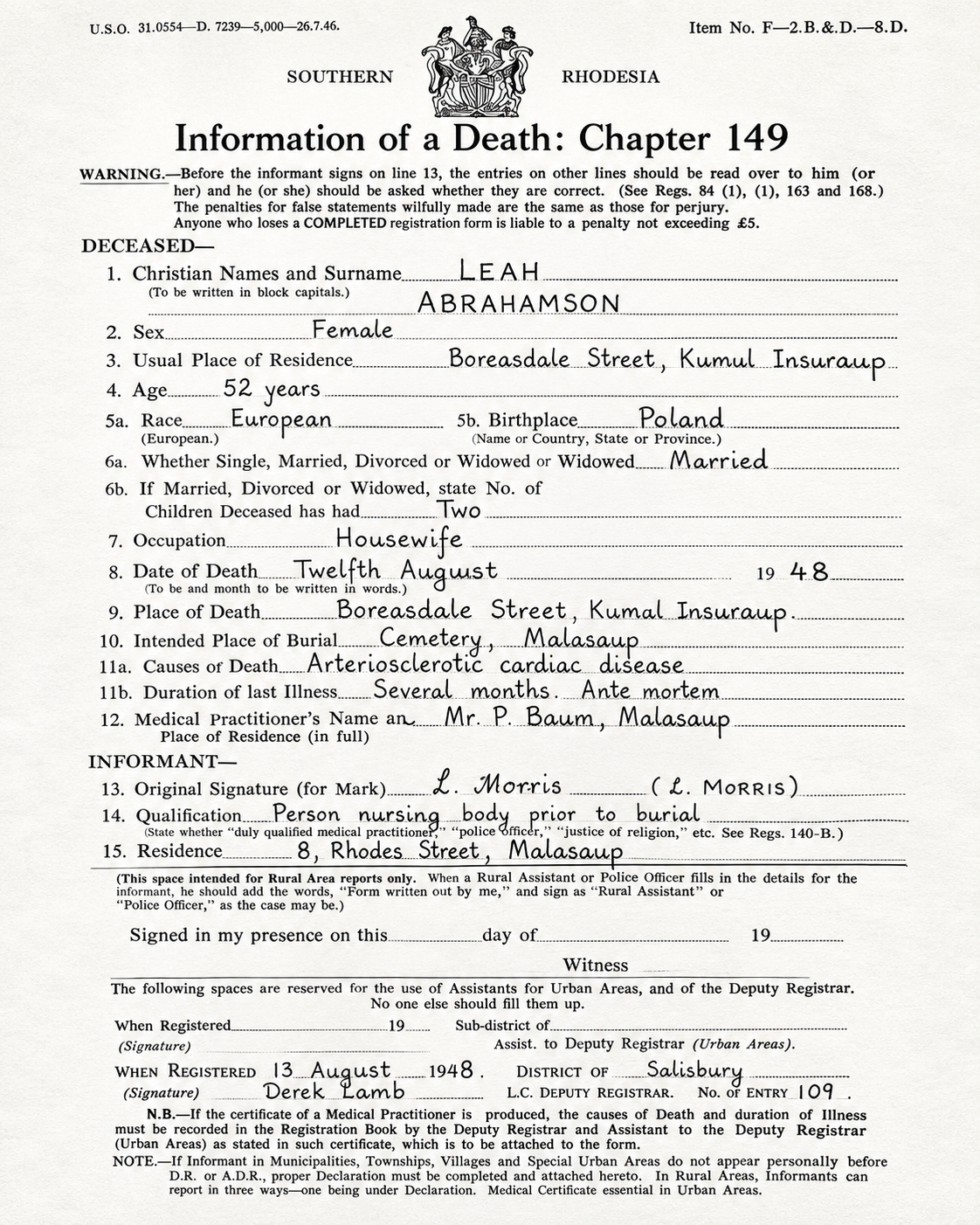
Sadly, she died on 12 August 1948 at only 52 years of age.
She passed away only three months after the establishment of the State of Israel—a historic event she would undoubtedly have celebrated after witnessing a lifetime of Jewish migration and upheaval.
Her Legacy
Although Leah lived only fifty-two years, her decision to leave Białystok in 1921 transformed the destiny of her family.
By emigrating before the Second World War, she escaped one of history's greatest tragedies and ensured the survival of future generations of the Bejrachowicz and Abrahamson families.
Today, nearly a century after her arrival in Cape Town, her original passport, immigration records, identity papers and family photographs preserve the remarkable story of a young Jewish woman who crossed continents in search of opportunity and safety.
Her life represents the experience of thousands of Jewish immigrants who left Eastern Europe with little more than hope, determination and the dream of building a better future.
Through her descendants, Leah's story continues to be remembered, researched and celebrated—a lasting tribute to a remarkable woman whose courage changed the course of her family's history.
DOCUMENTS