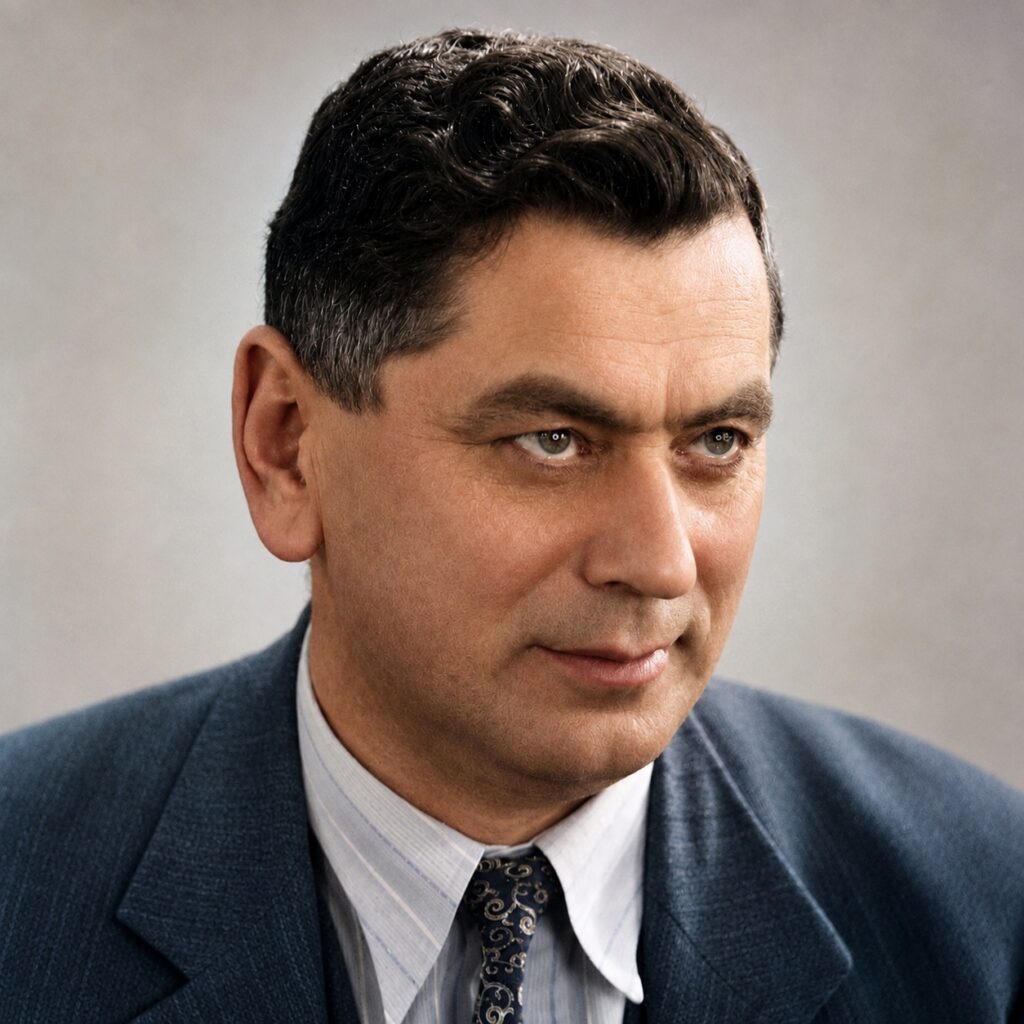
"Leader and Doyen of the Bulawayo Jewish Community"
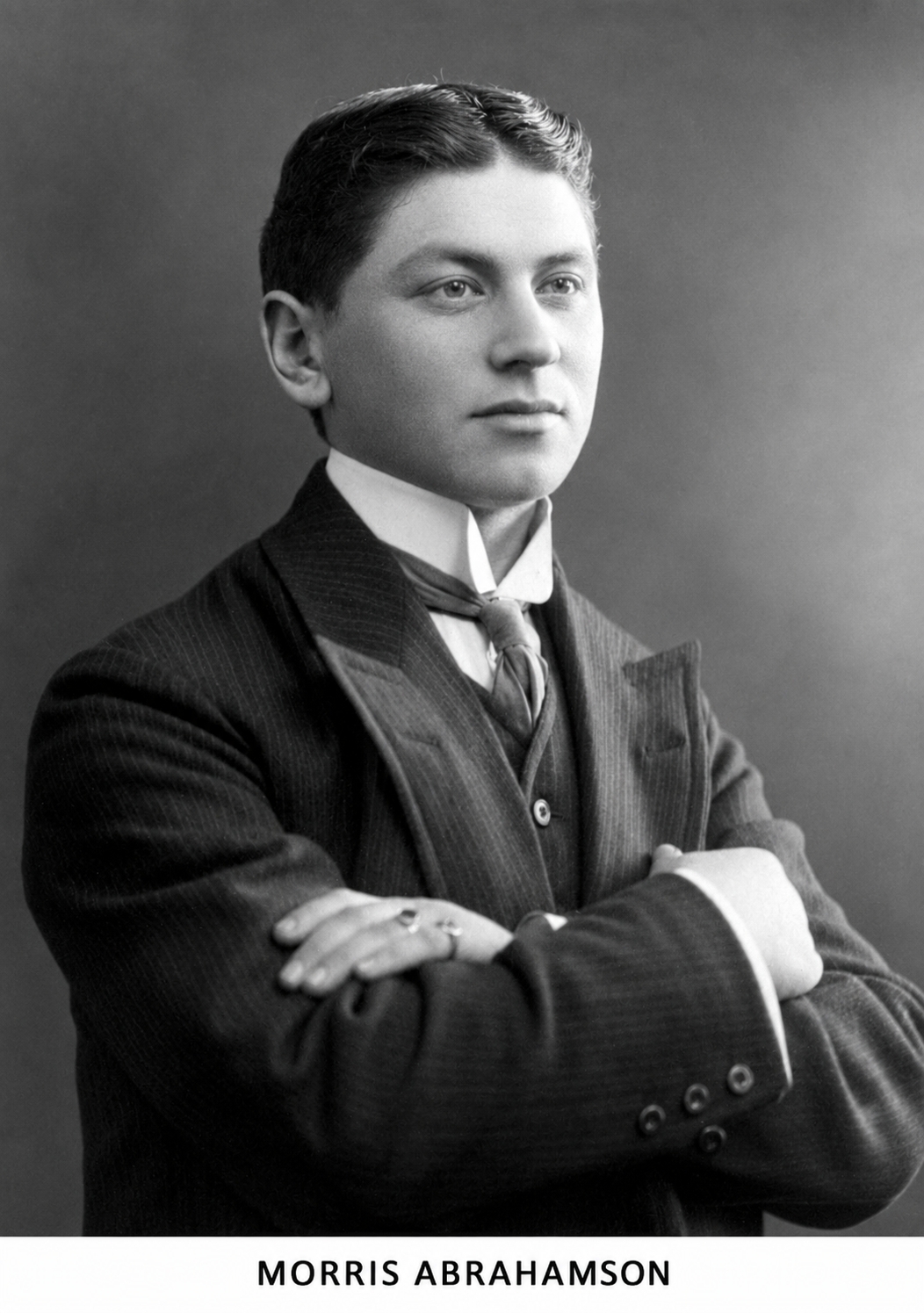
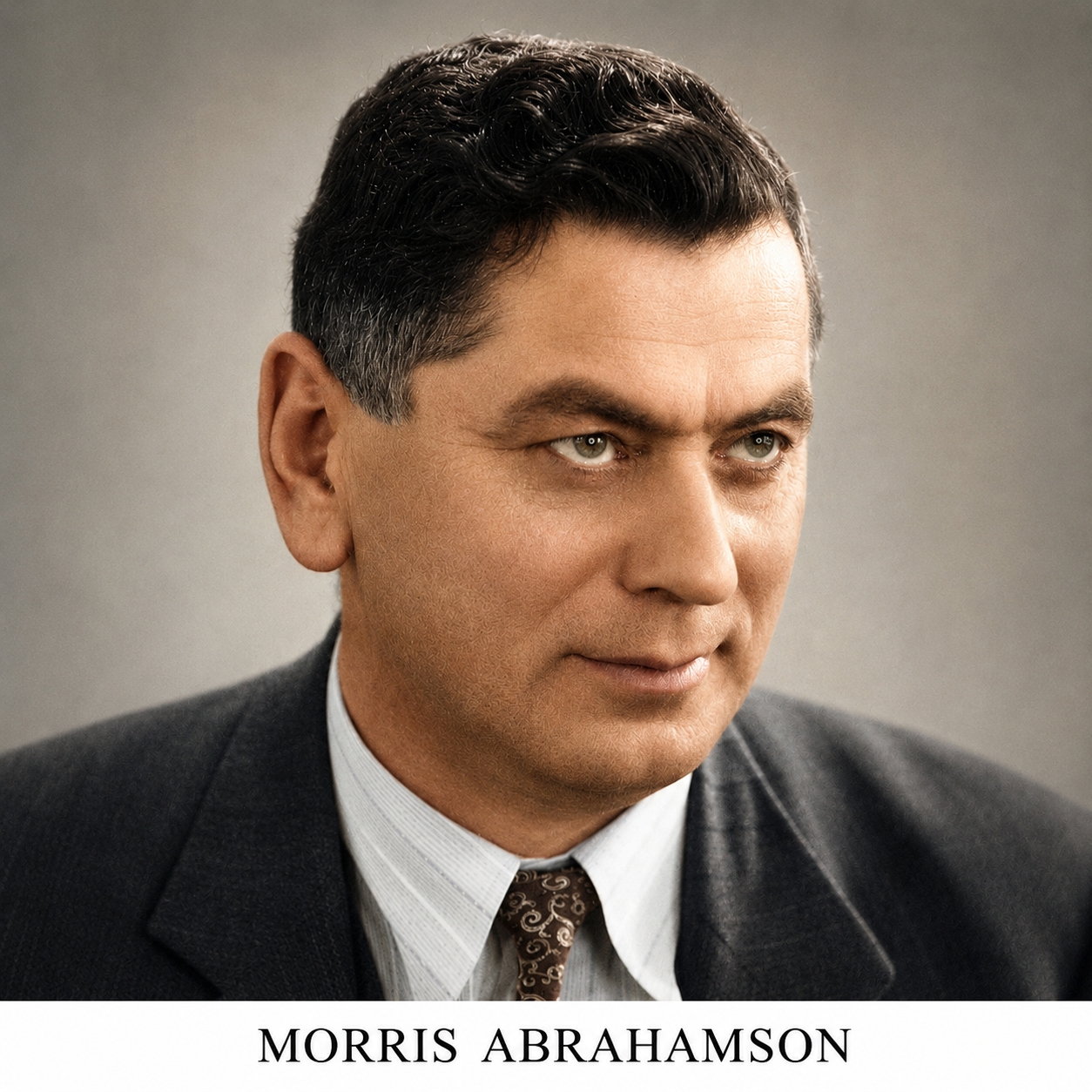
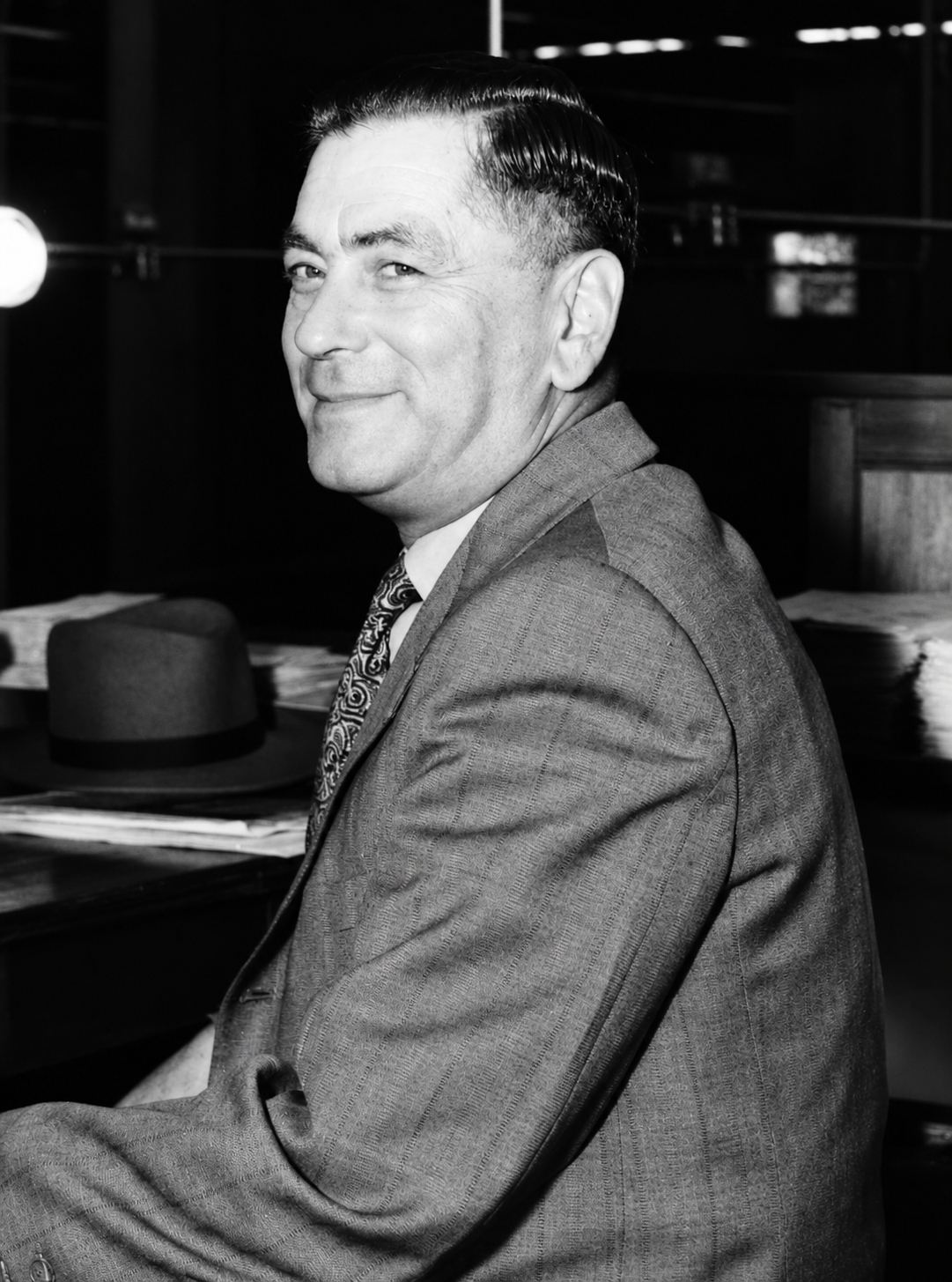
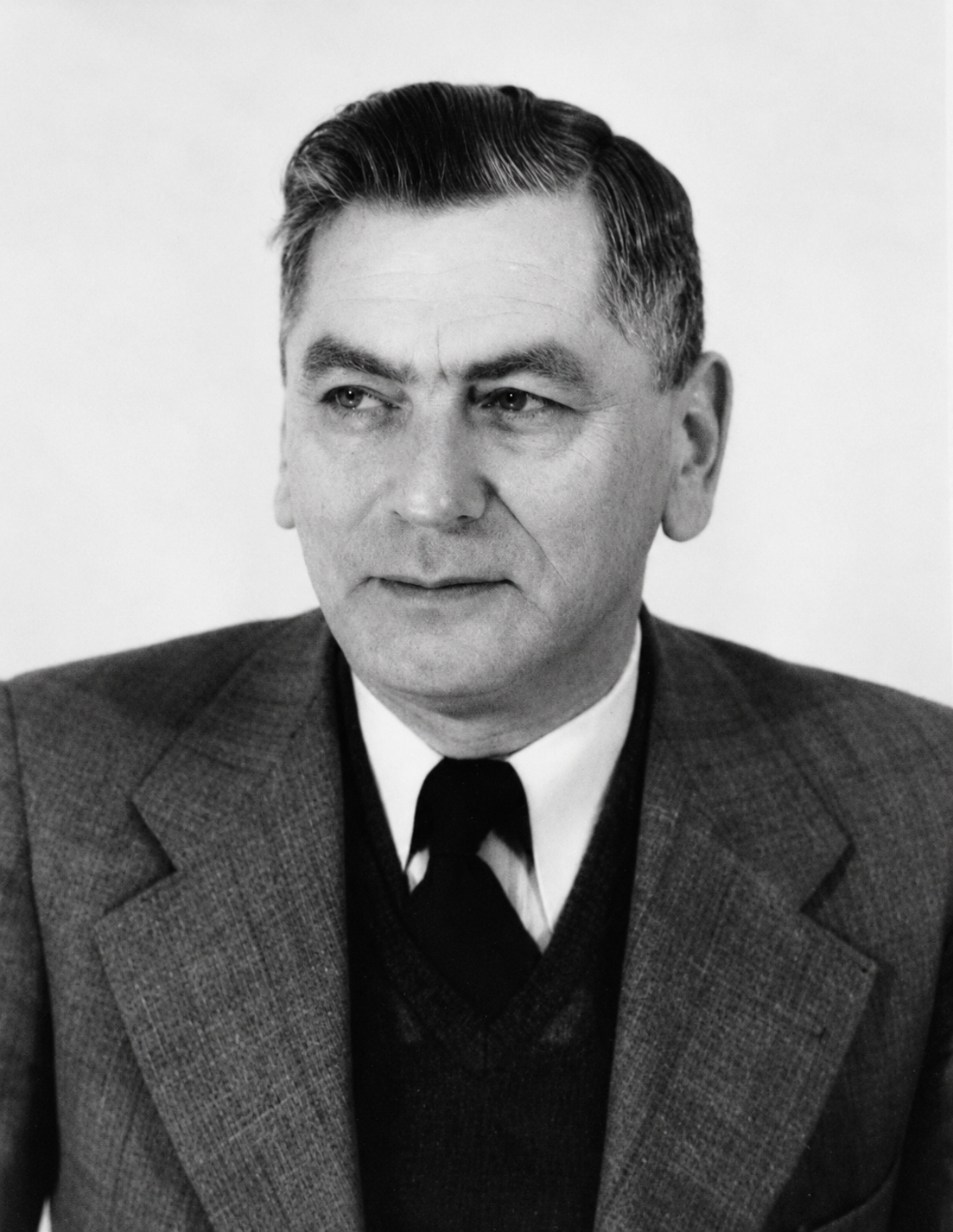
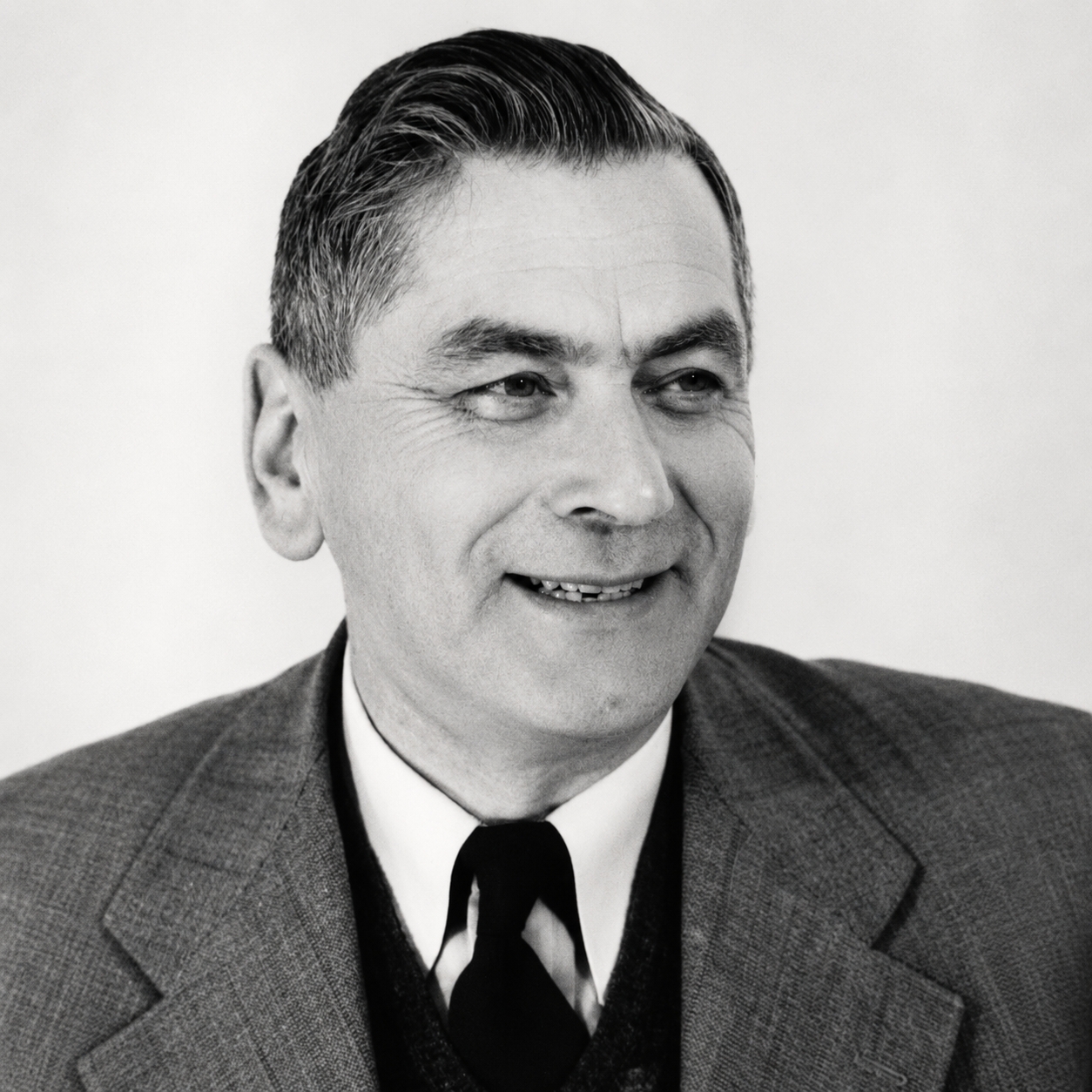
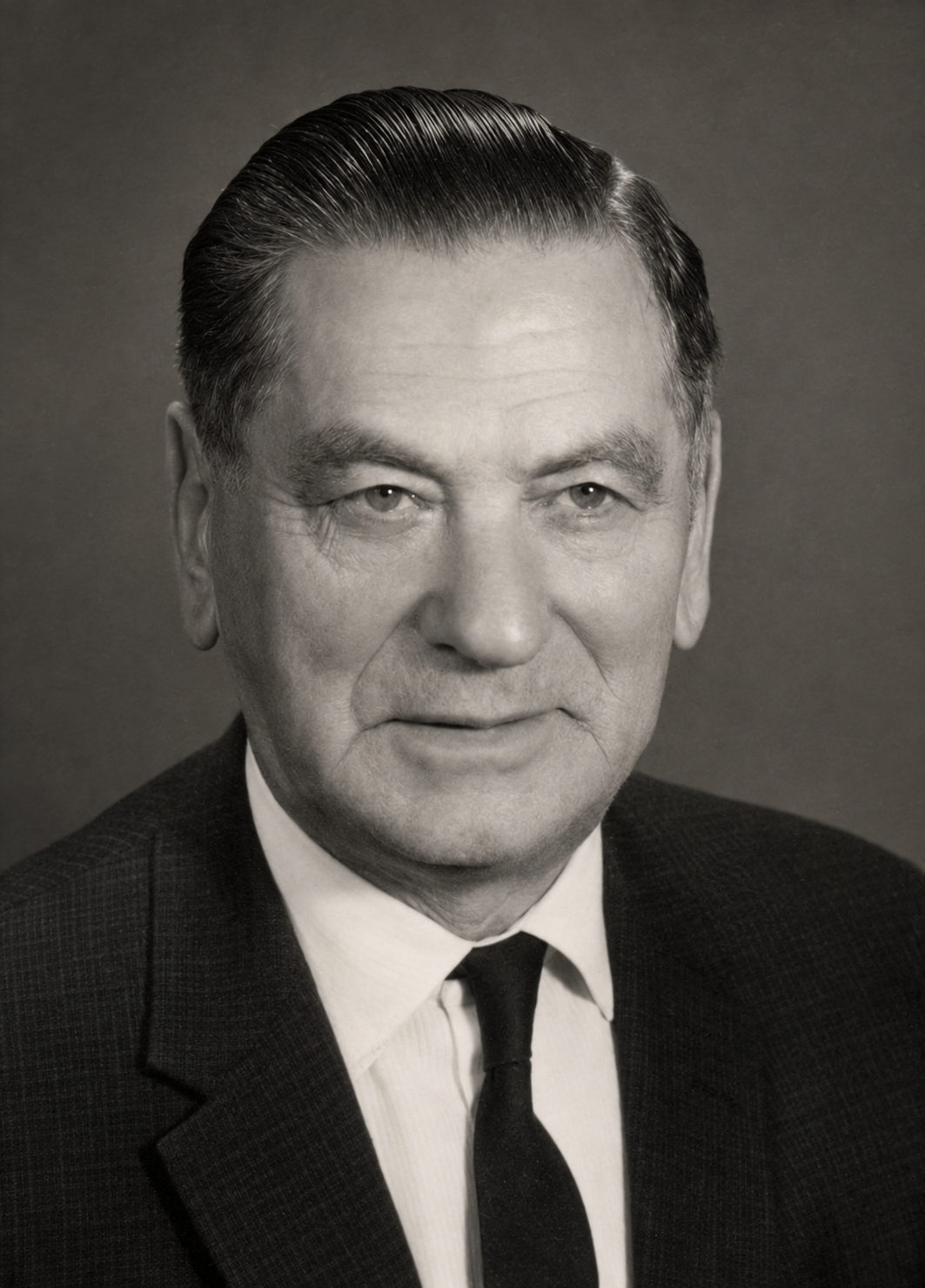
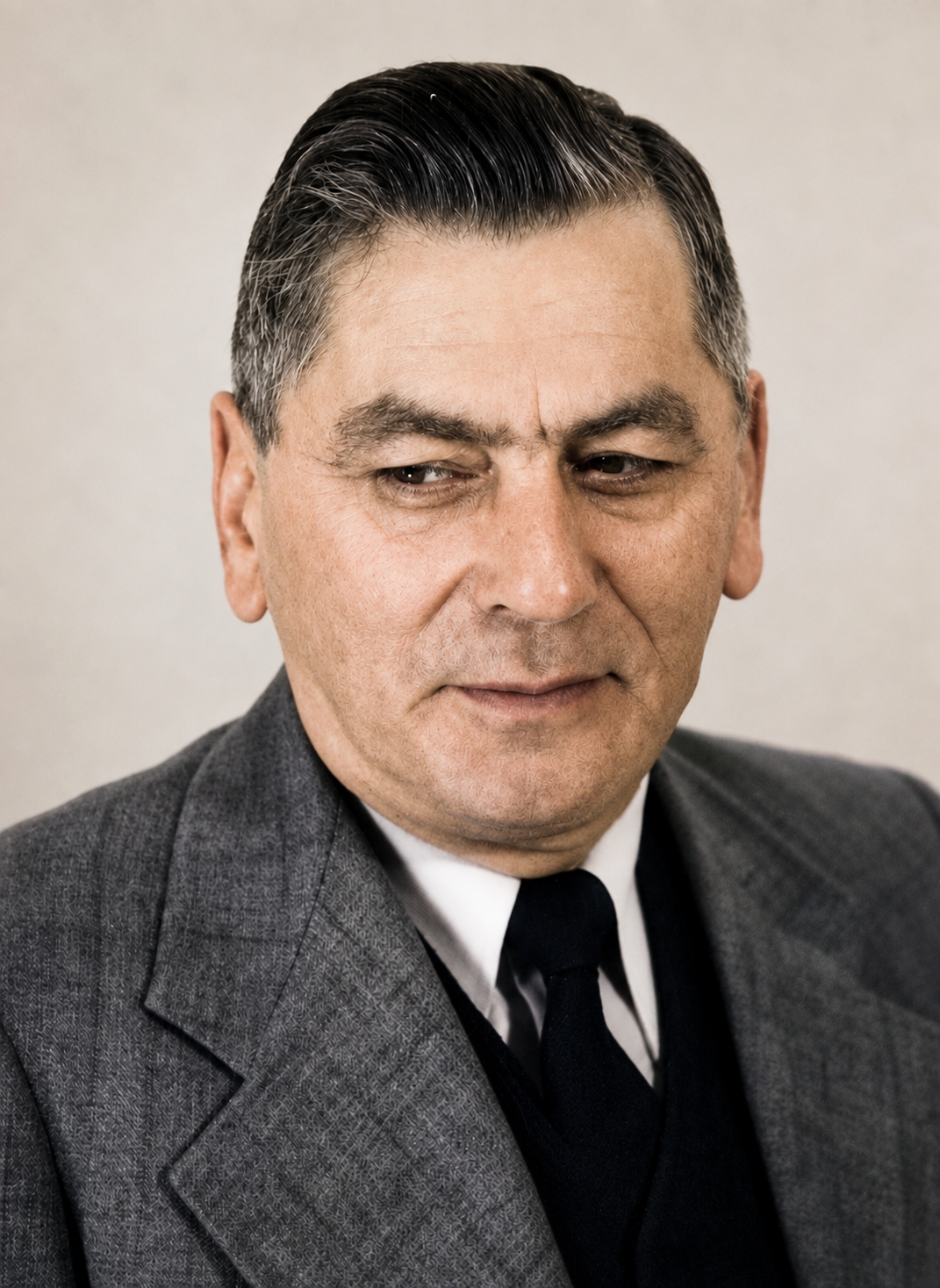
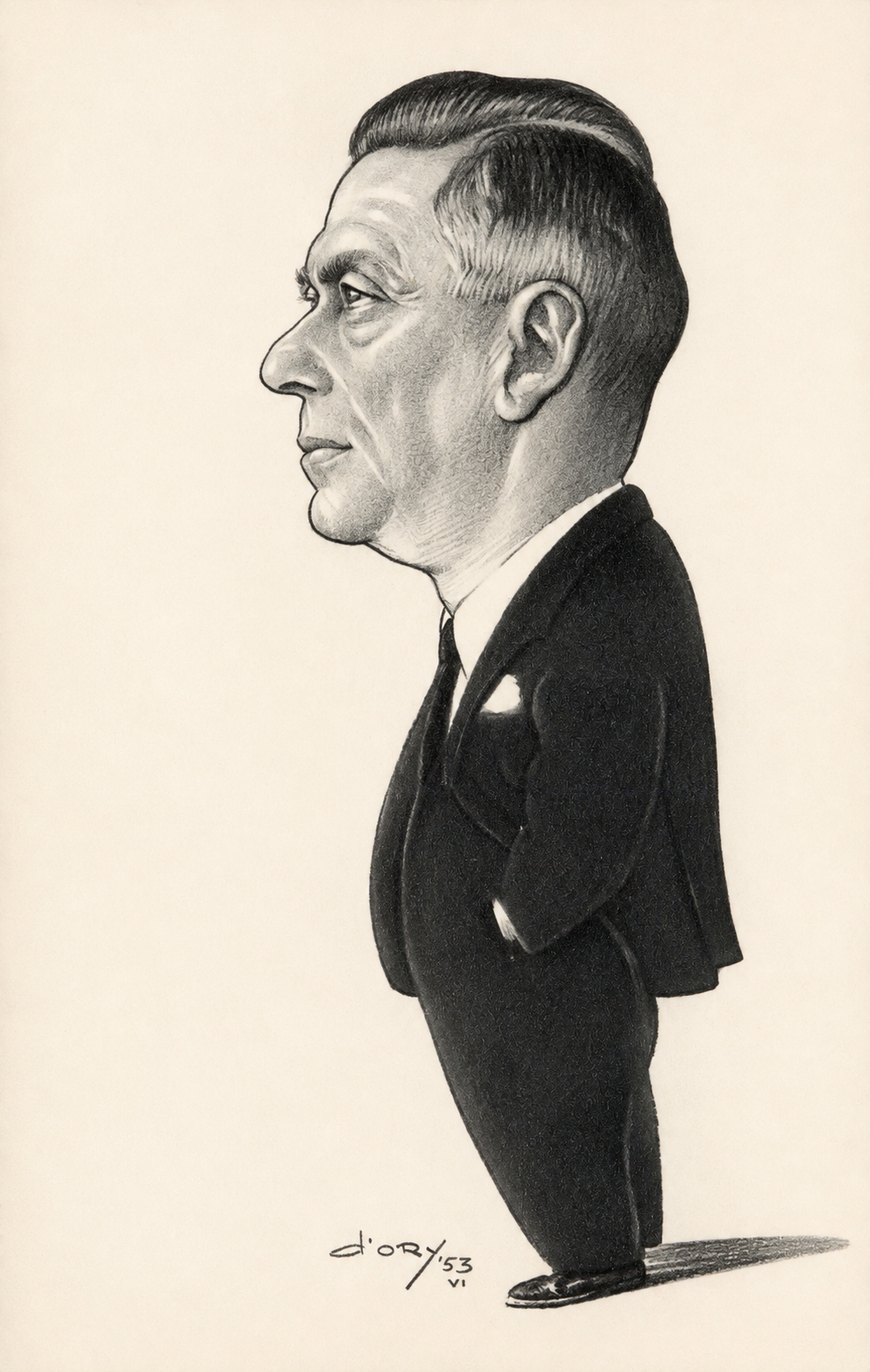
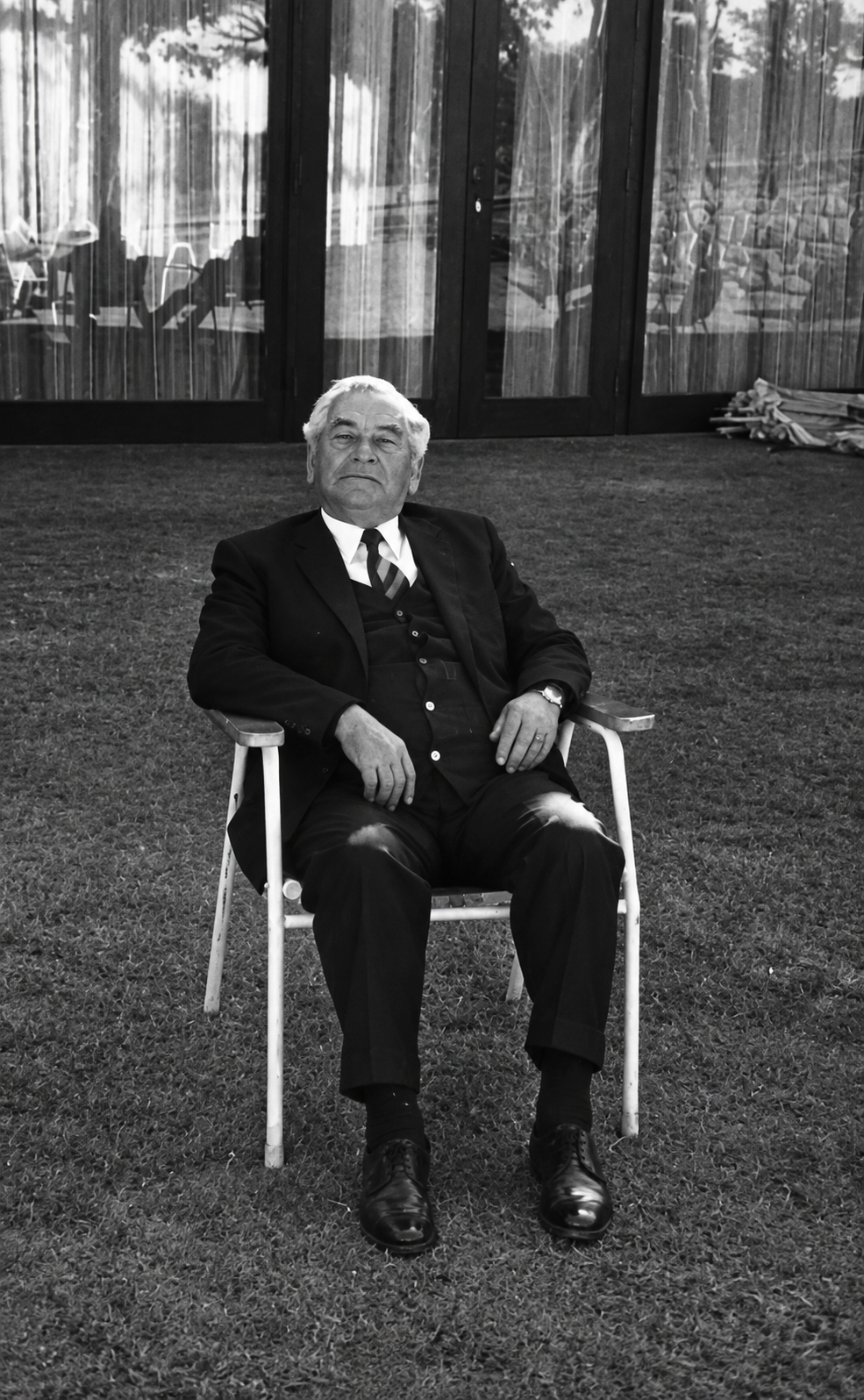
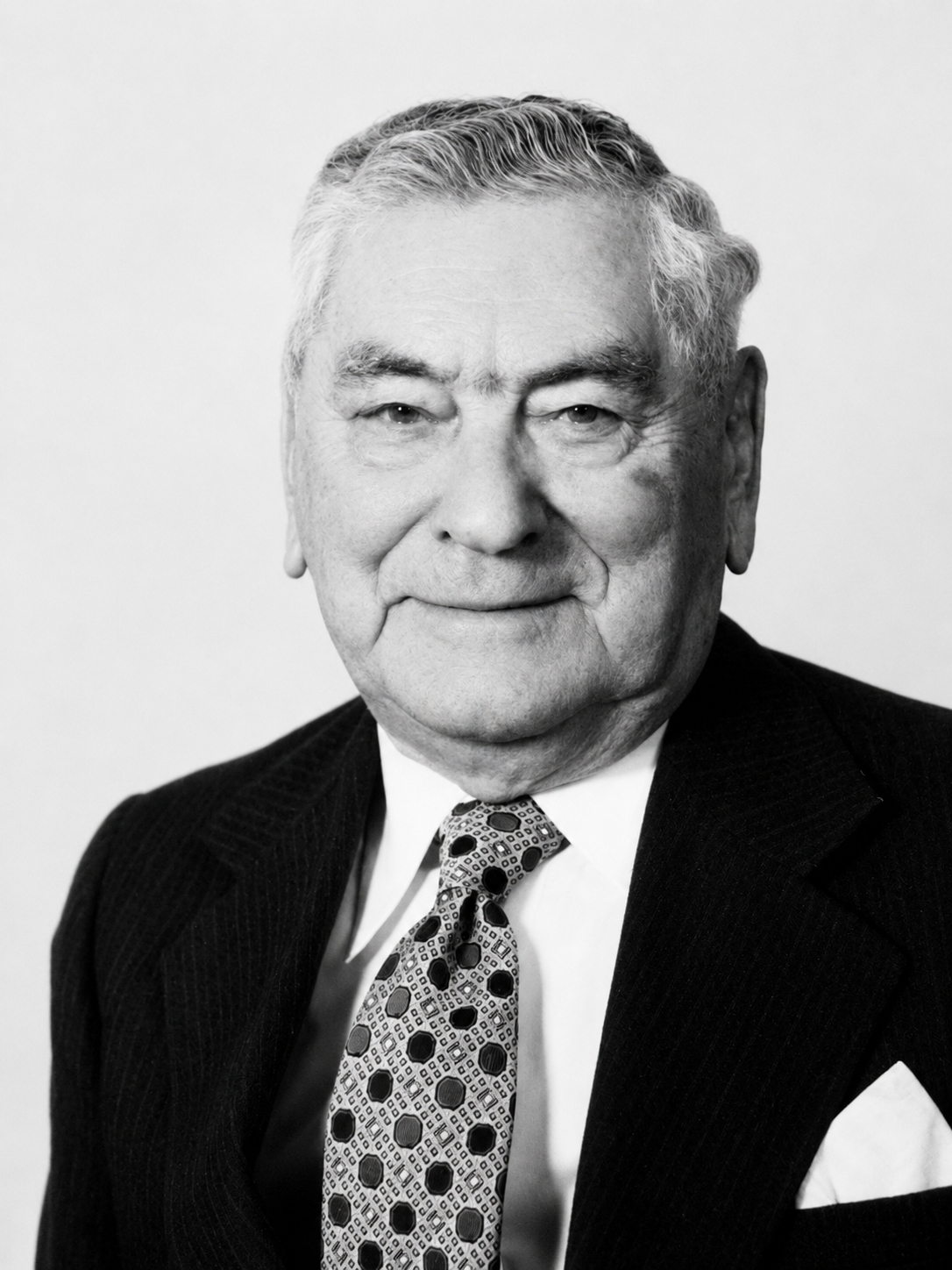
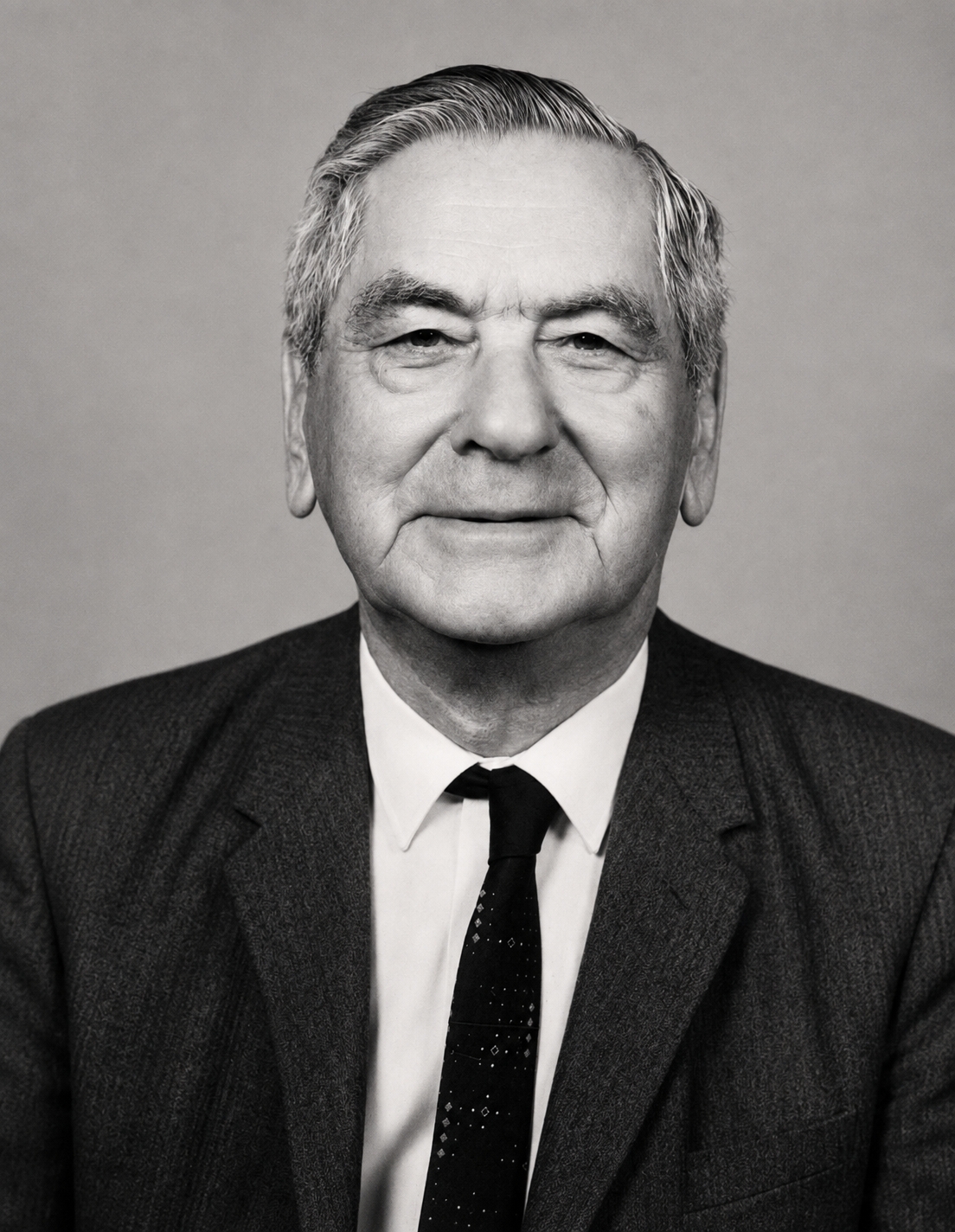
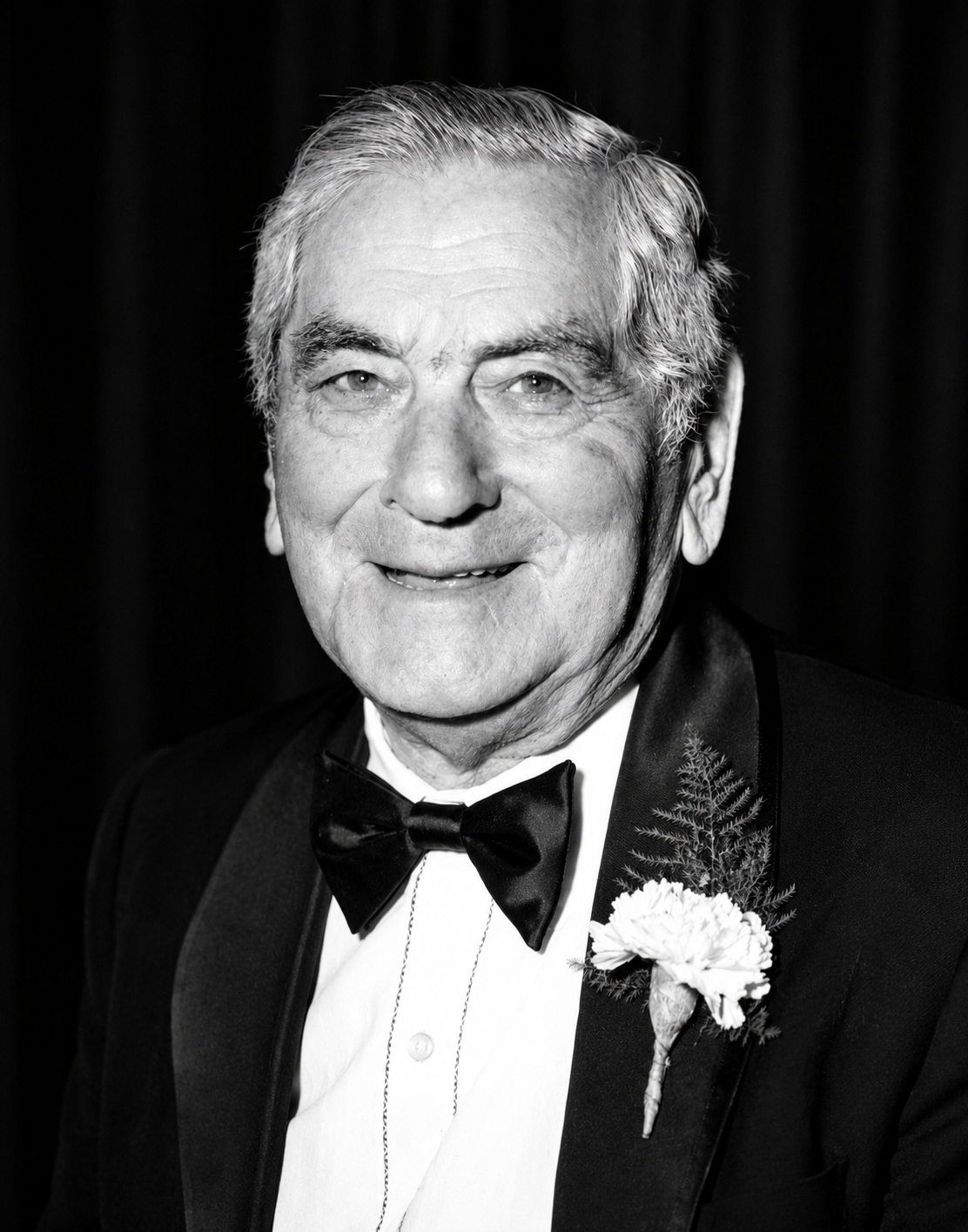
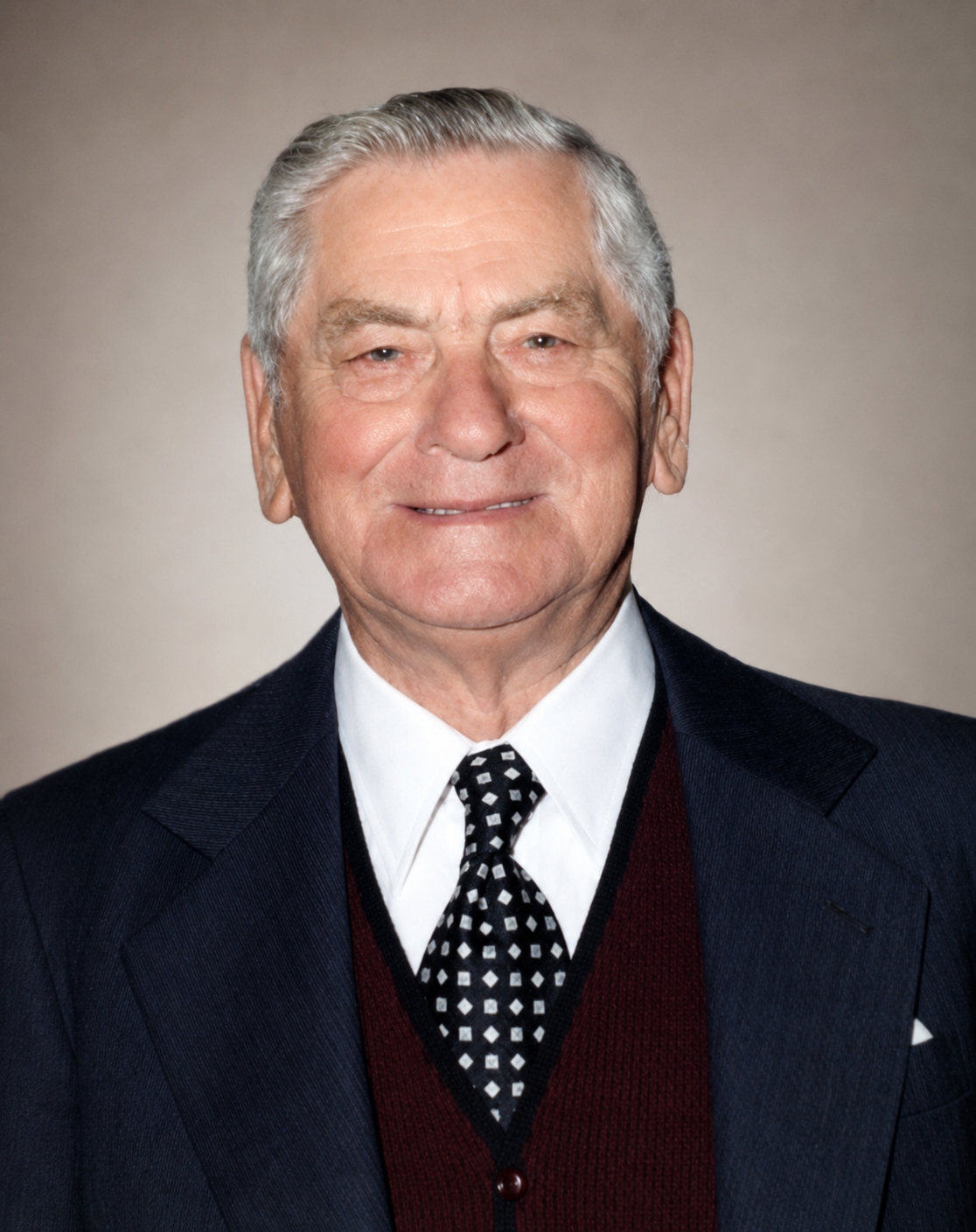
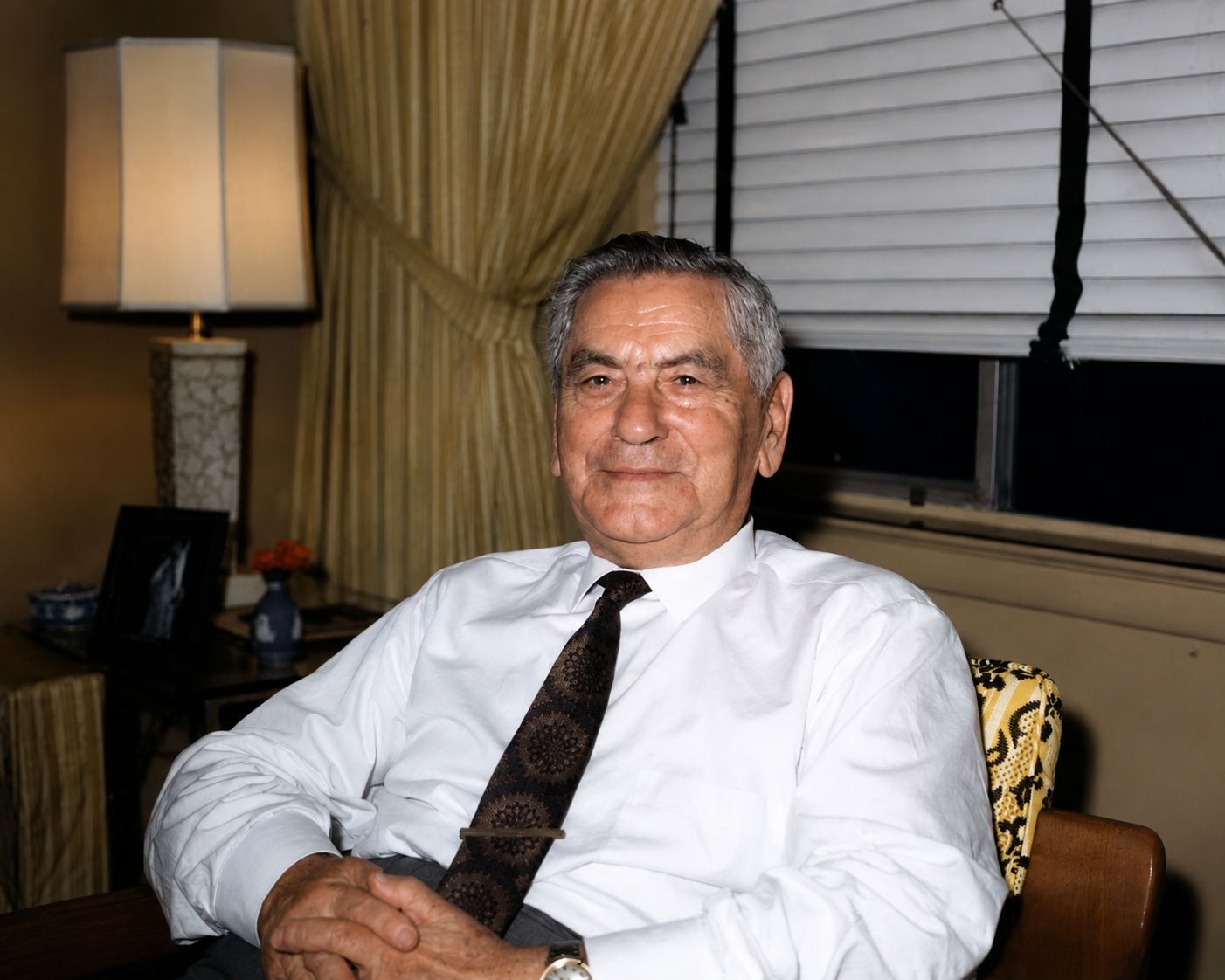
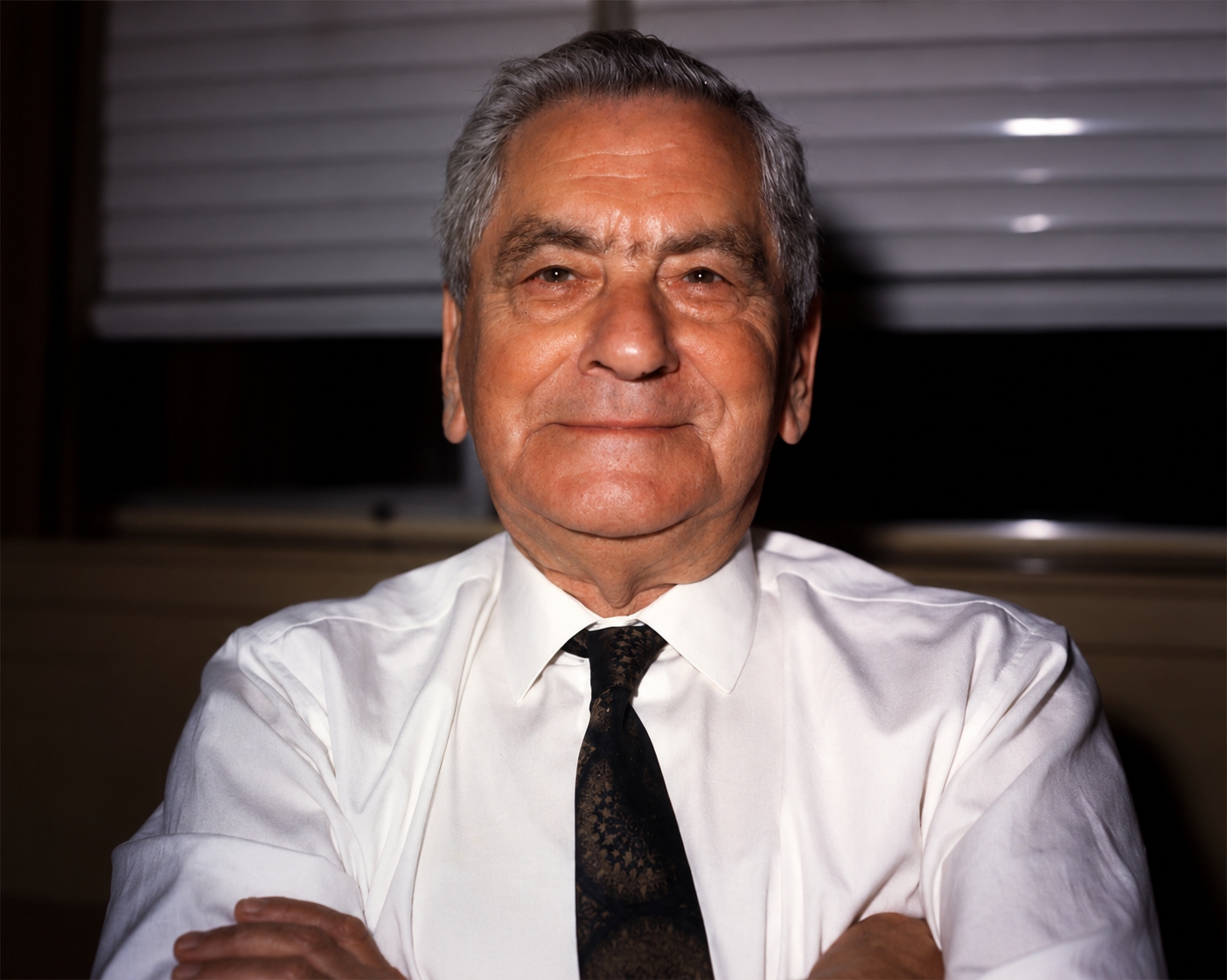
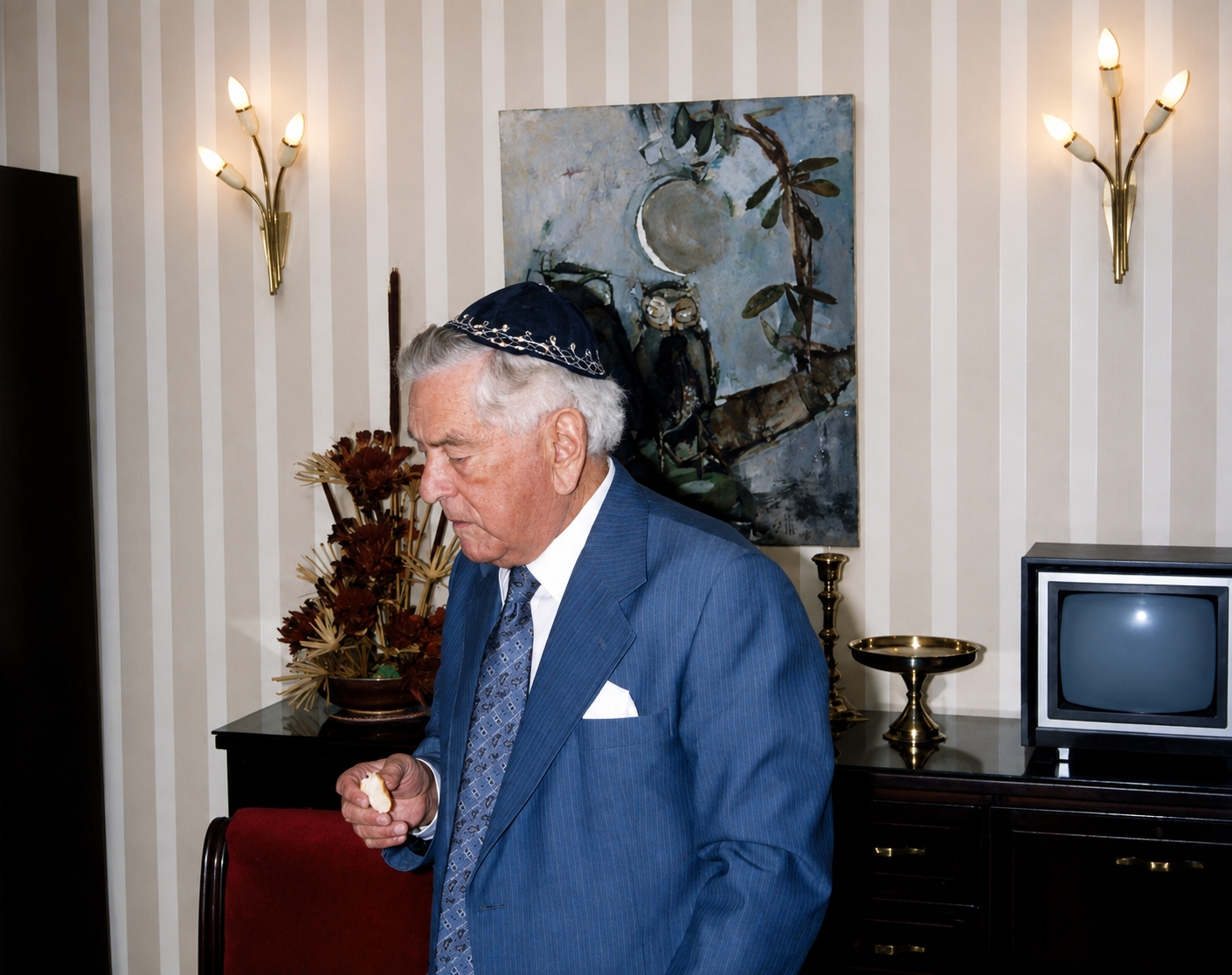
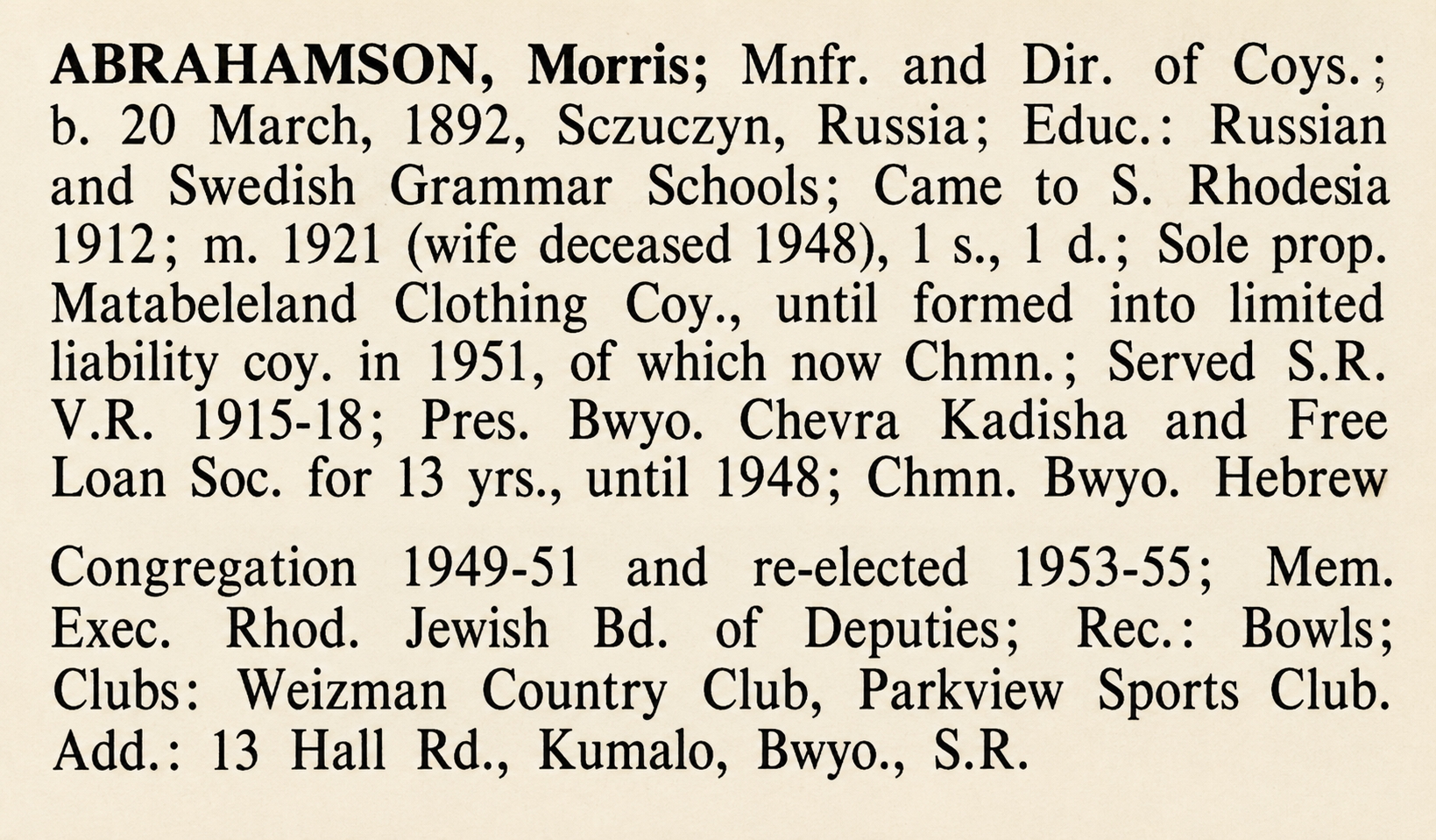
Morris Abrahamson was one of the most respected figures in the history of the Jewish community of Bulawayo, Zimbabwe (formerly Southern Rhodesia). During more than seventy years in Rhodesia and Zimbabwe, he built a successful business, served his country during the First World War, and devoted over half a century to Jewish communal life. By the time of his death in 1985, he was widely regarded as the patriarch of Bulawayo Jewry and a man whose integrity, generosity, and quiet leadership had touched generations.
Early Life in Europe
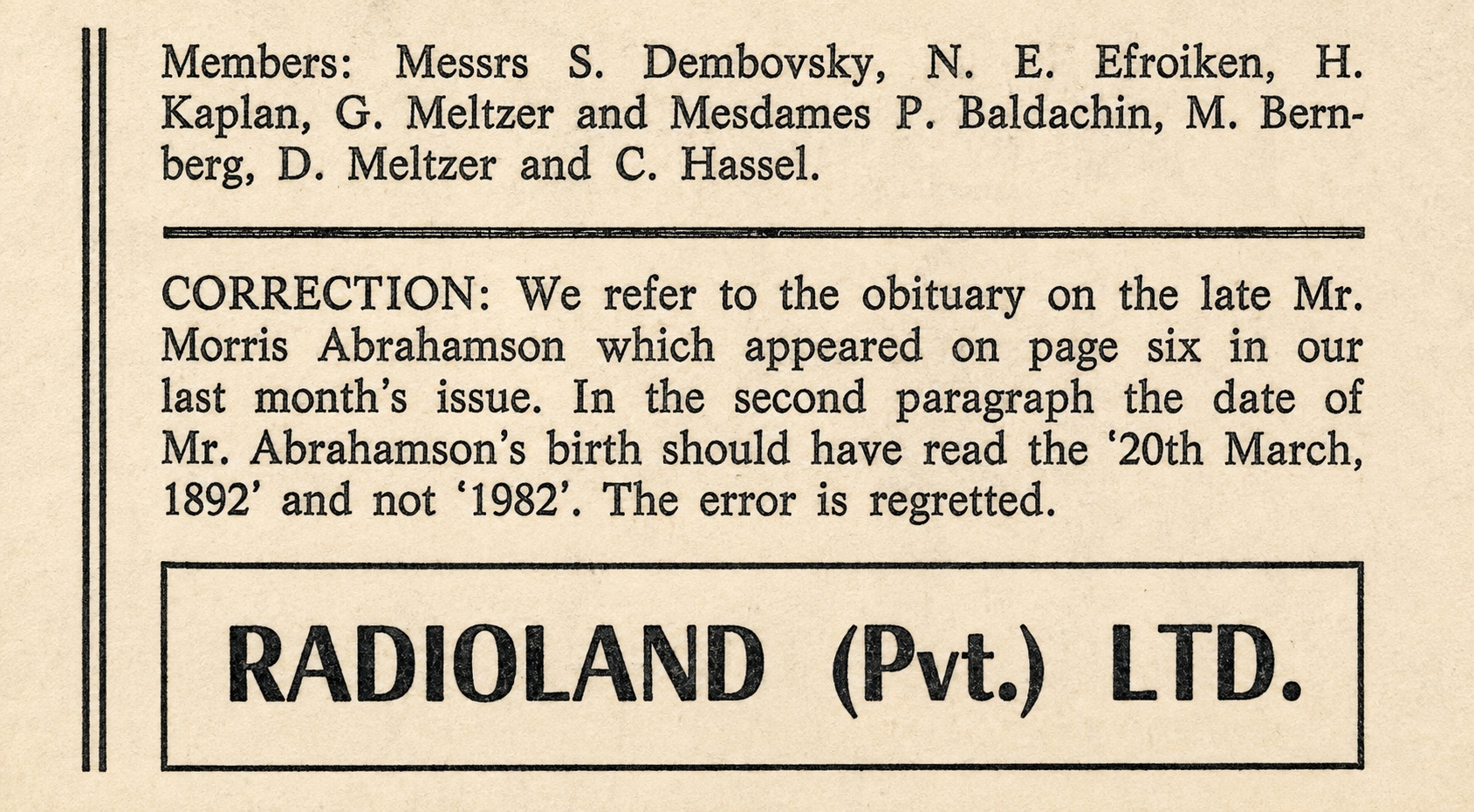
Morris was born Moszek (Moses) Kaczprowski on 20 March 1892 in the town of Szczuczyn, then part of the Russian Empire (today in northeastern Poland). He was the son of Abraham and Chaya Kaczprowski.
He spent his childhood during a period of increasing hardship for Jews living under Tsarist rule. Restrictive laws, economic difficulties, and periodic outbreaks of antisemitism encouraged many Jewish families to seek opportunities elsewhere.
In 1908, at approximately 15 years of age, Morris left his homeland with his brother, Solomon (Shai) and travelled to Malmo, Sweden, where he lived and worked for about five years. During this period he attended Swedish grammar school, adding Swedish to the Russian education he had already received. This unusual combination of Russian and Swedish schooling reflected the remarkable journey that would shape the rest of his life. It was during this period that the brothers adopted the surname Abrahamson, derived from their father Abraham's first name, replacing the family name Kaczprowski as they began new lives abroad.They both pedalled goods to get enough money to travel to South Africa on a ship that docked in Cape Town.
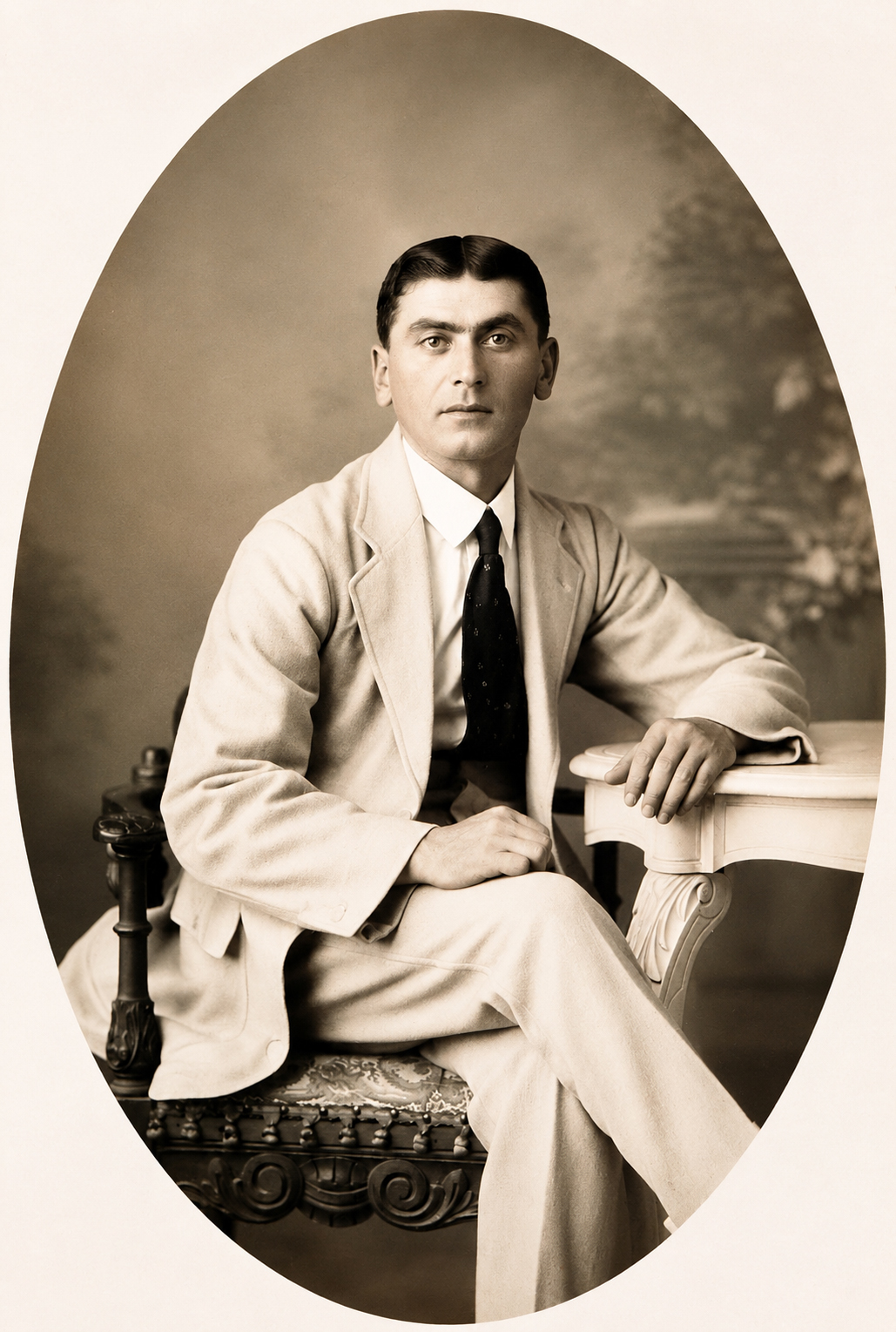
In 1912, at the age of twenty, Morris arrived in Bulawayo, Southern Rhodesia and Solomon remained in Johannesburg, South Africa then onto Salisbury, Southern Rhodesia.
The rapidly growing colonial city offered opportunities unavailable in Europe, and Morris quickly established himself in business while becoming an active member of the small but vibrant Jewish community. Bulawayo would remain his home for the next seventy-three years.
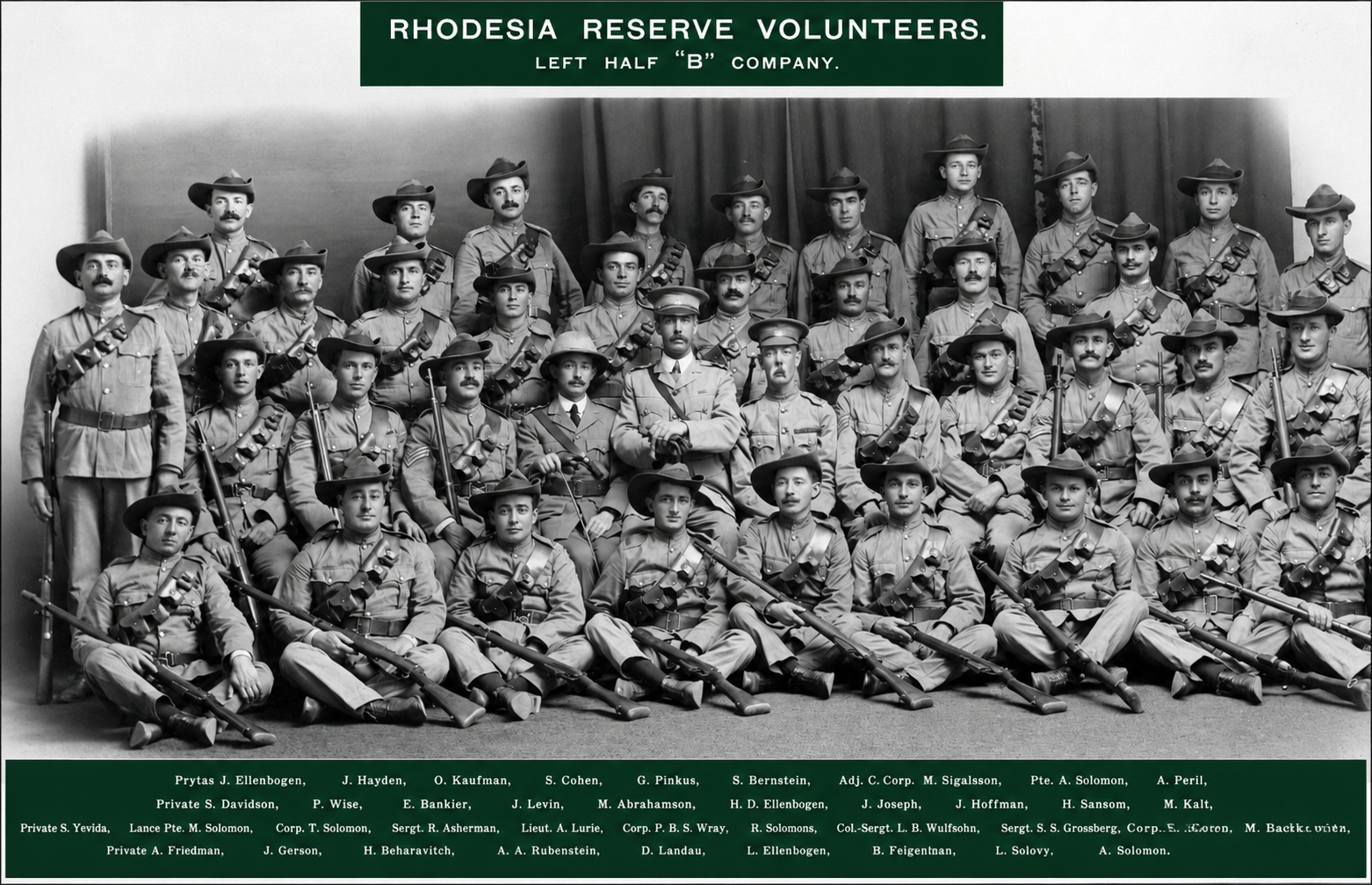
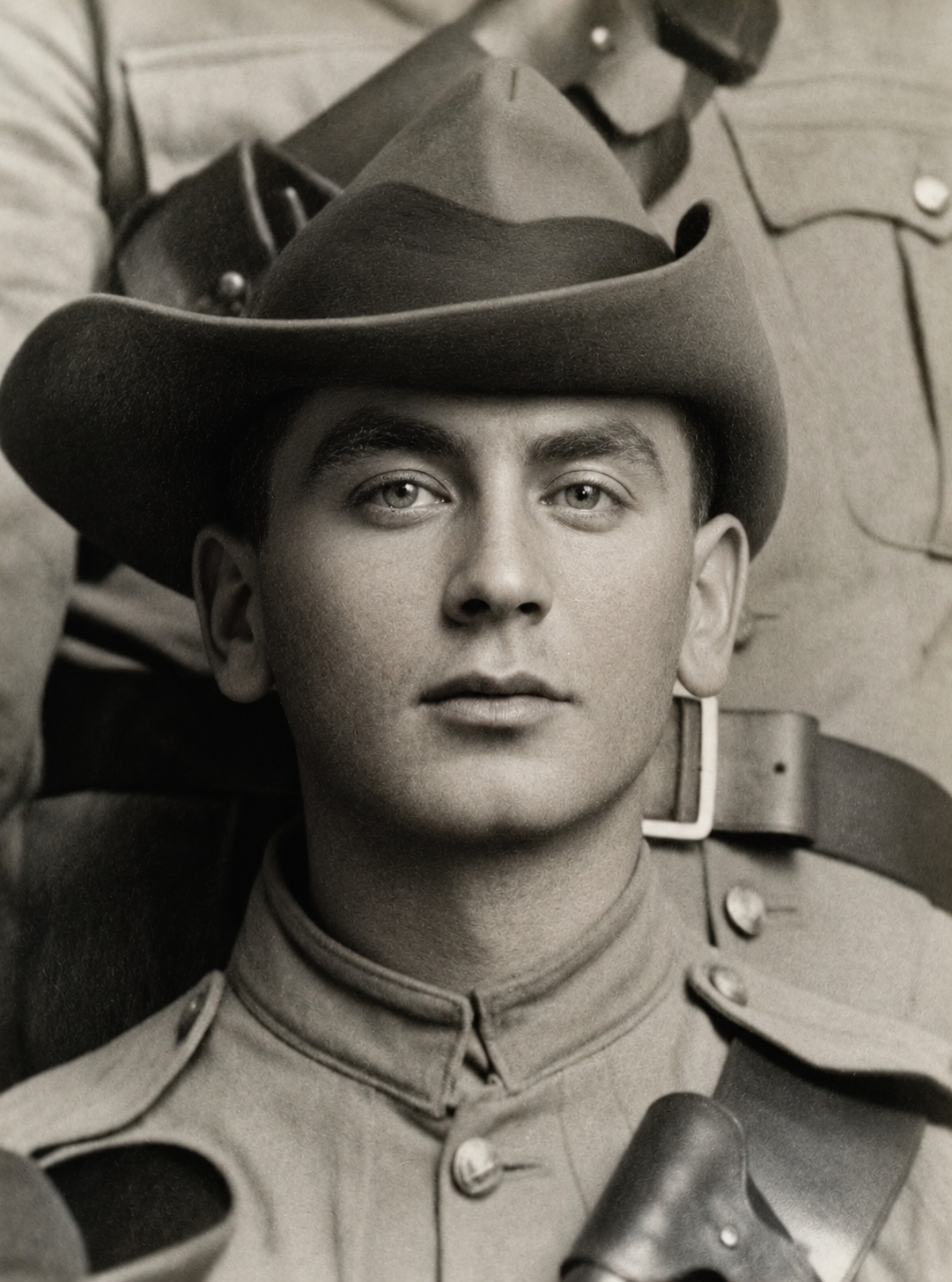
When the First World War broke out, Morris enlisted in the Southern Rhodesia Volunteer Reserve, serving from 1915 until 1918.
He met up with the Shawzins, in-laws to Leah Bejrachowicz. The Shawzins, having brought out her sister Sarah, had now brought out Leah specifically to meet the eligible young Morris Abrahamson. They got married on 25 December 1921. Their marriage was a devoted partnership that lasted until Leah's death in 1948.
Morris acquired a property stand for £1,100 in Bulawayo and built a general dealer's store that supported the family. In 1926 he built a house next door the store where the family lived until just before the war and in that same year, it would soon employ Morris' youngest brother Eliezer (Leizer), who had fled the Tsar's army and having been caught up in the Russian civil war, was eventually able to join his brother in Rhodesia in 1926.
Together they had two children:
- Abraham Eliezer ("Abe") Abrahamson, who would later become a lawyer, businessman, Member of Parliament and Cabinet Minister in Rhodesia.
- Rebecca ("Rena") Abrahamson, whose descendants continue to preserve the family's history today.
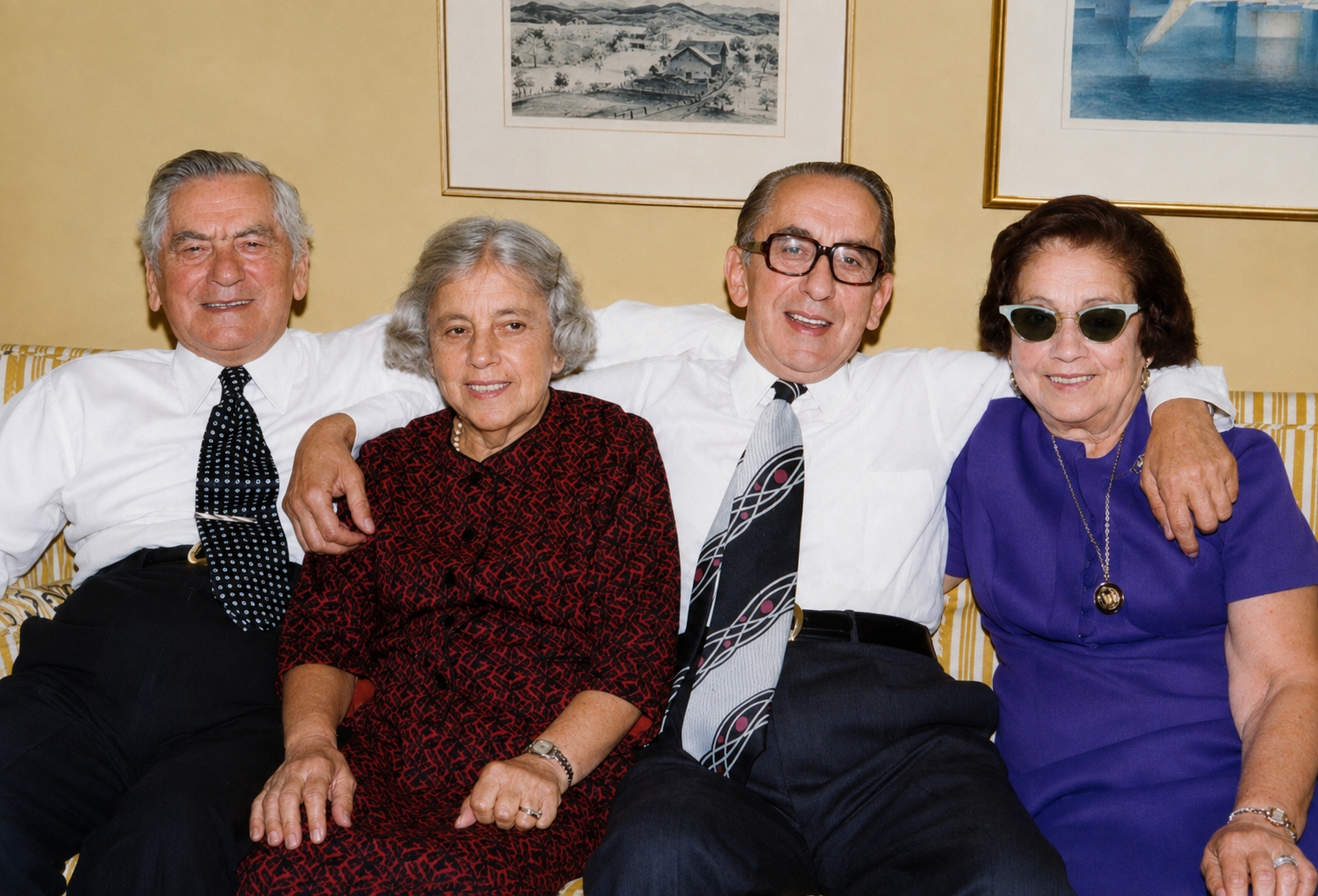
Following Leah's death, Morris later married Freda Sarif, who remained his companion until her death.
Morris established himself as a successful businessman in Bulawayo's clothing industry. He founded the Matabeleland Clothing Company, serving as its proprietor until the business became a limited company in 1951, after which he continued as its Chairman.
His business success was built on honesty, reliability and hard work—qualities for which he became widely respected throughout Bulawayo's commercial community.
Although Morris enjoyed considerable business success, it was his lifelong service to the Jewish community that became his greatest legacy. For more than fifty years he devoted countless hours to strengthening Jewish religious, charitable and communal life in Bulawayo.
Among the many positions he held were:
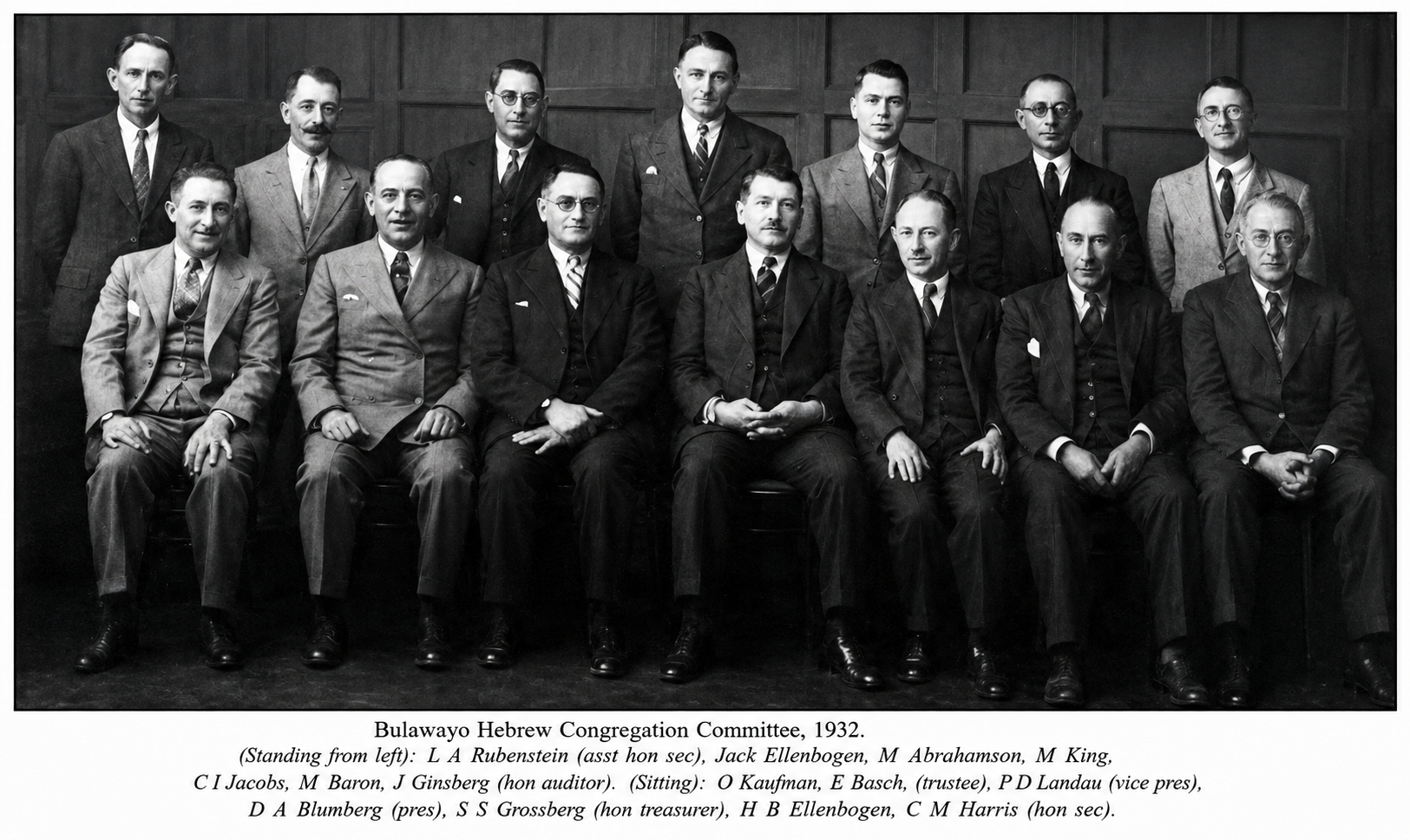
- President of the Bulawayo Hebrew Congregation (four separate terms)
- Trustee of the Congregation
- Honorary Life Member of the Congregation
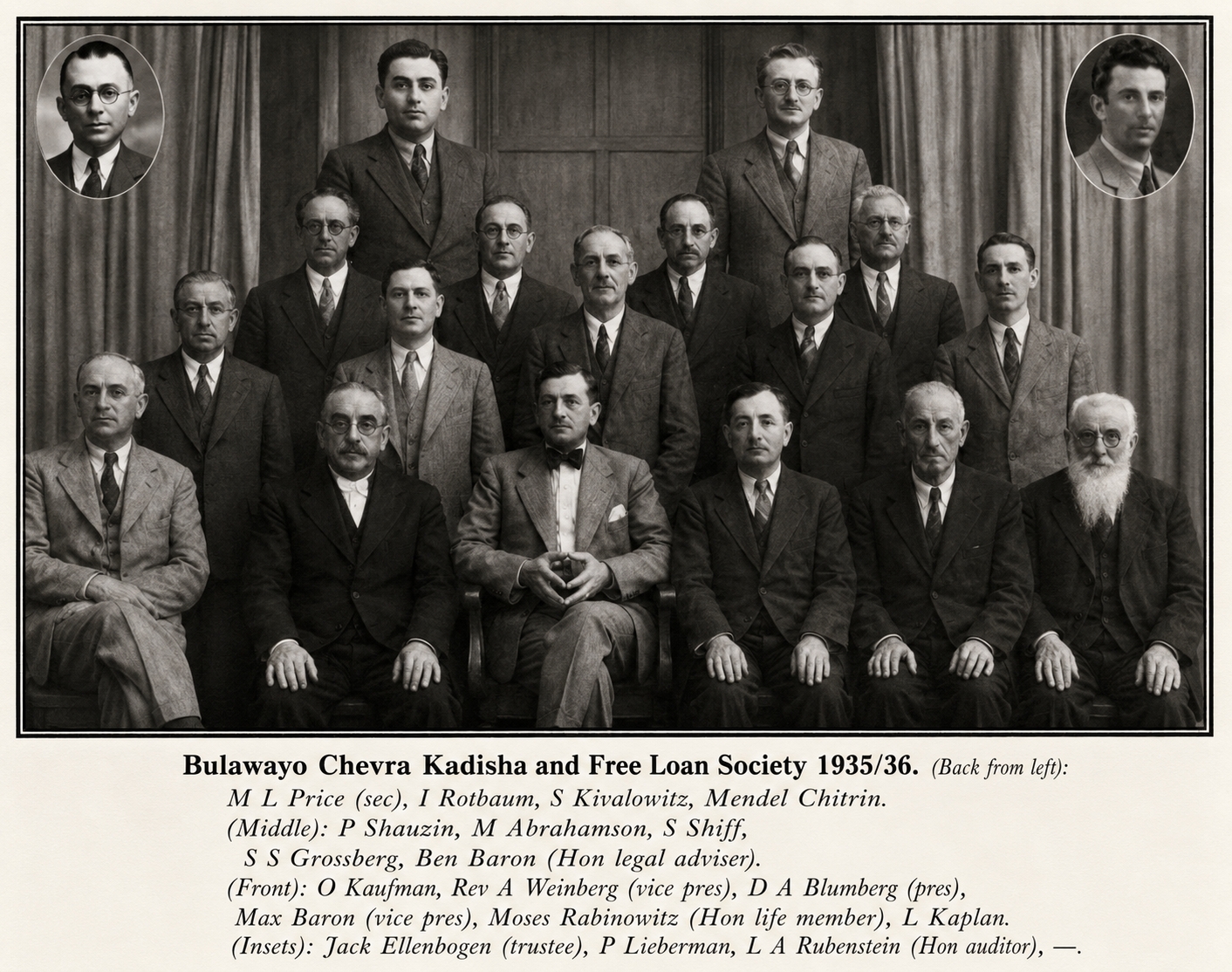
- President of the Bulawayo Chevra Kadisha and Free Loan Society for fourteen consecutive years
- Honorary Life Vice-President of the Society
- Trustee of the Parkview-Weizmann Sports Club
- Trustee of the Jewish Women's Communal League
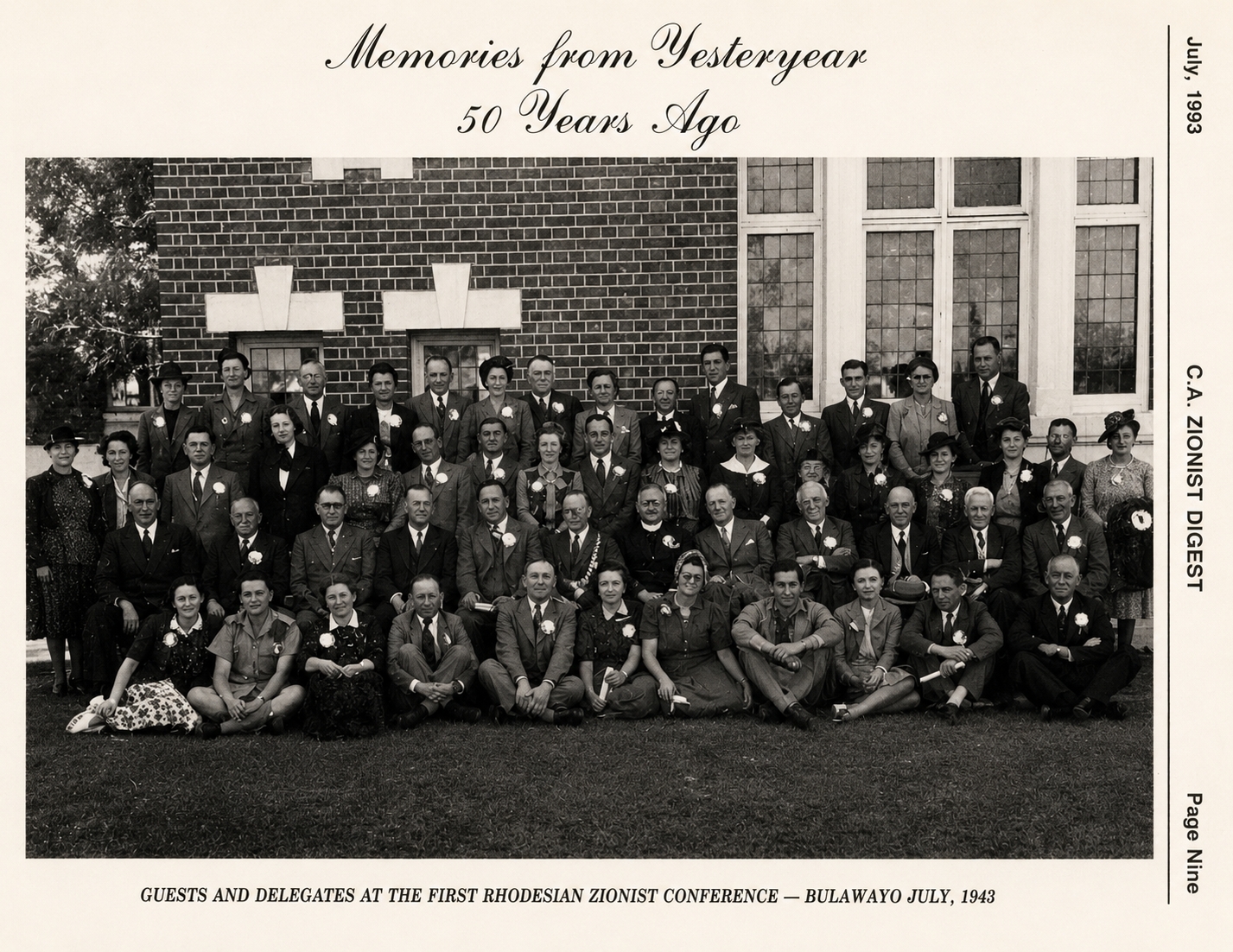
- Executive member of the Rhodesian Jewish Board of Deputies
His leadership extended beyond formal office. During the 1930s and throughout the Second World War, Morris played an important role in assisting Jewish refugees arriving in Southern Rhodesia after escaping Nazi persecution in Europe. His own experiences as an immigrant undoubtedly gave him particular compassion for those forced to flee their homes.
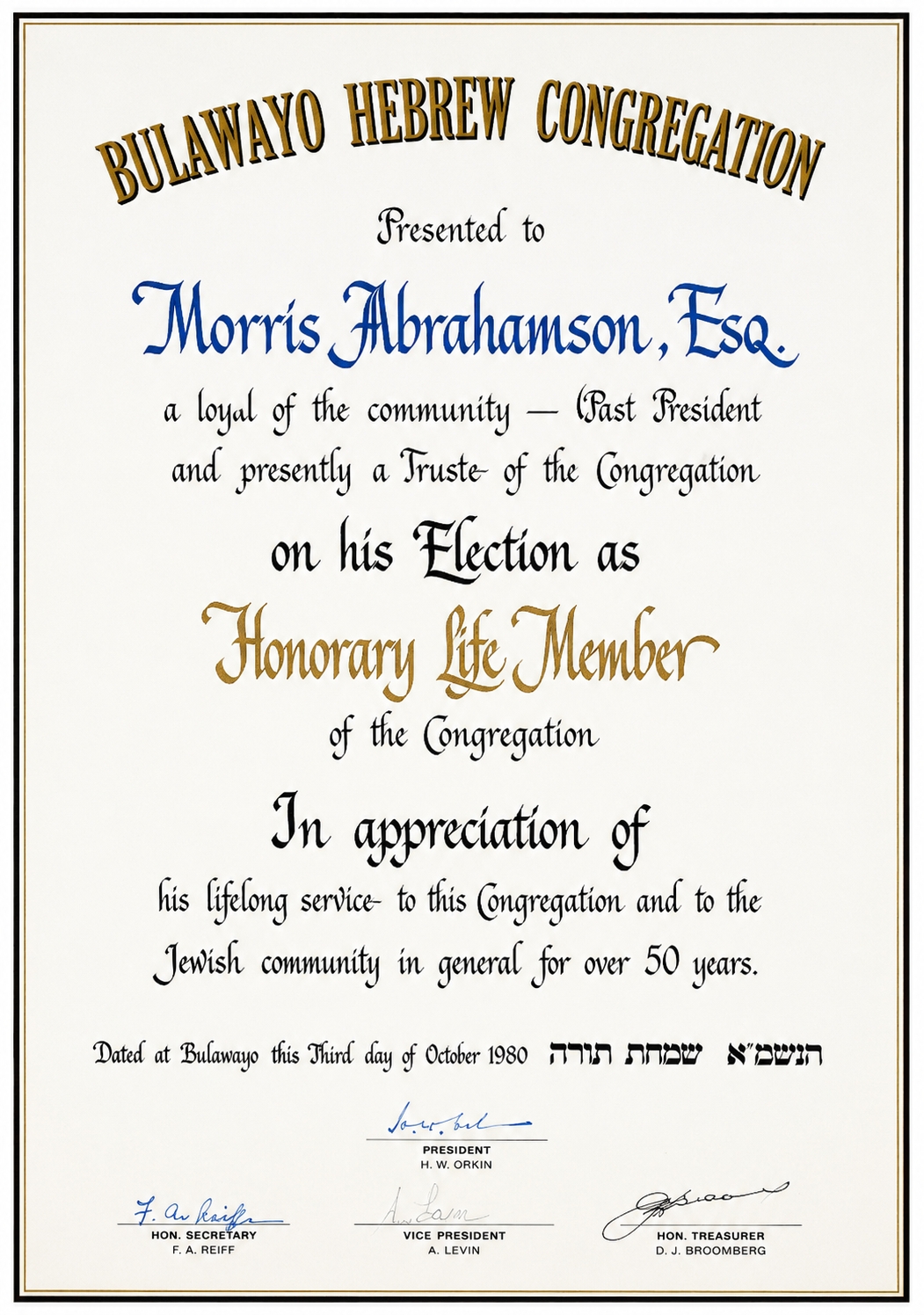
In recognition of decades of dedicated service, Morris was elected an Honorary Life Member of the Bulawayo Hebrew Congregation in 1980.
The presentation described him as:
"Doyen of the community, Past President and presently a Trustee of the Congregation... in appreciation of his lifelong service to this Congregation and to the Jewish community in general for over 50 years."
The honour reflected the affection and gratitude felt by an entire community toward a man who had become one of its most respected leaders.
Morris remained active in community affairs well into old age.
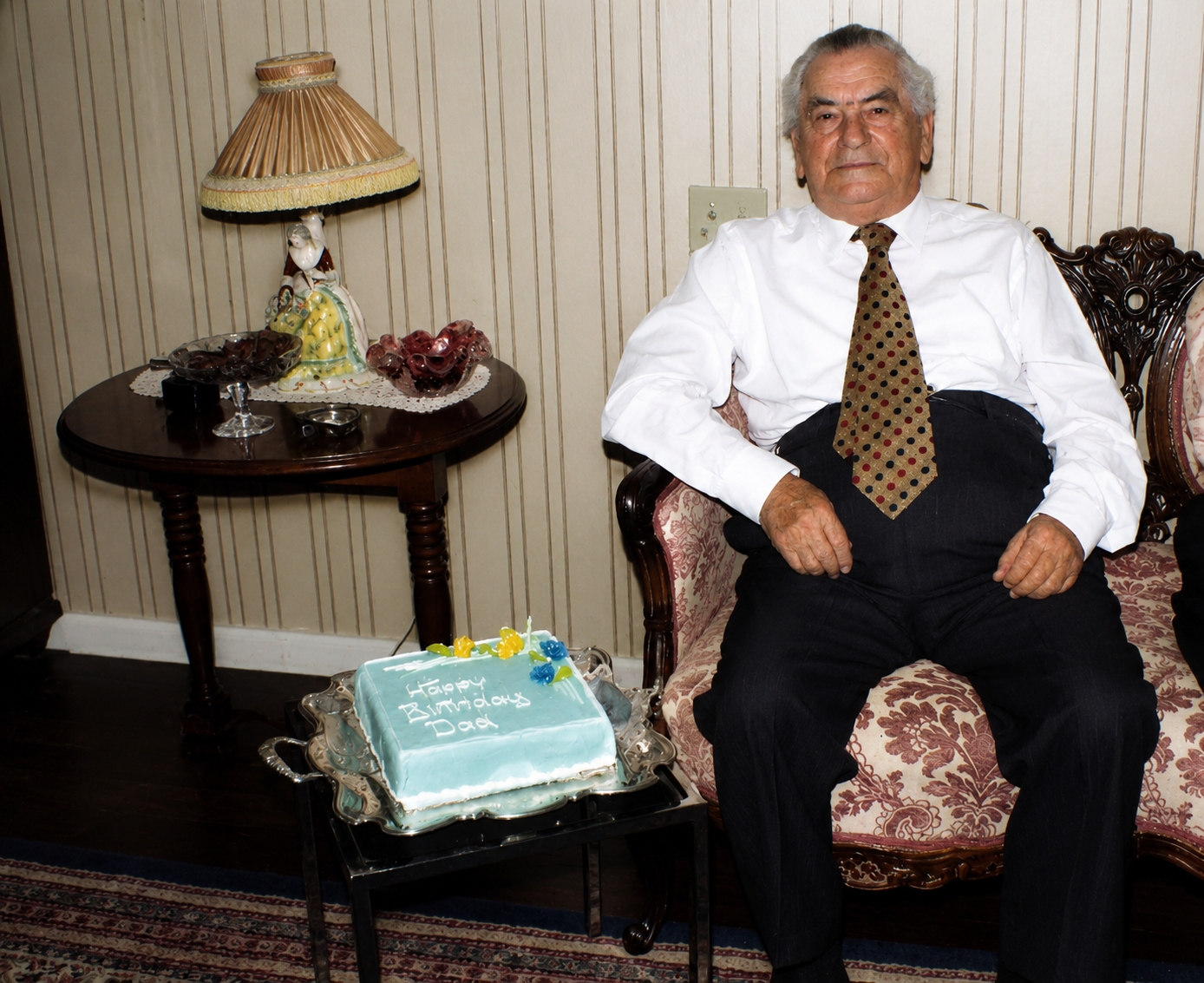
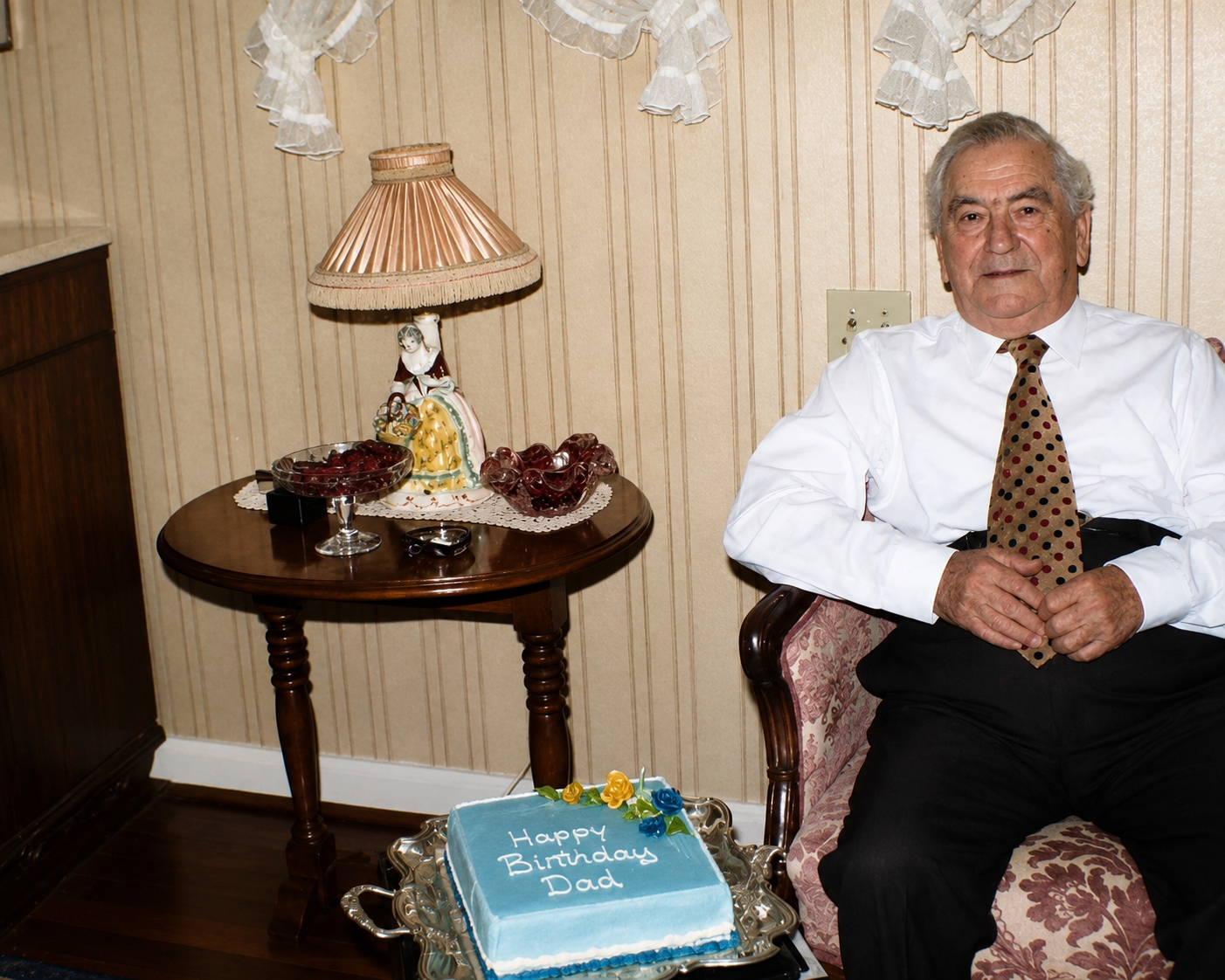
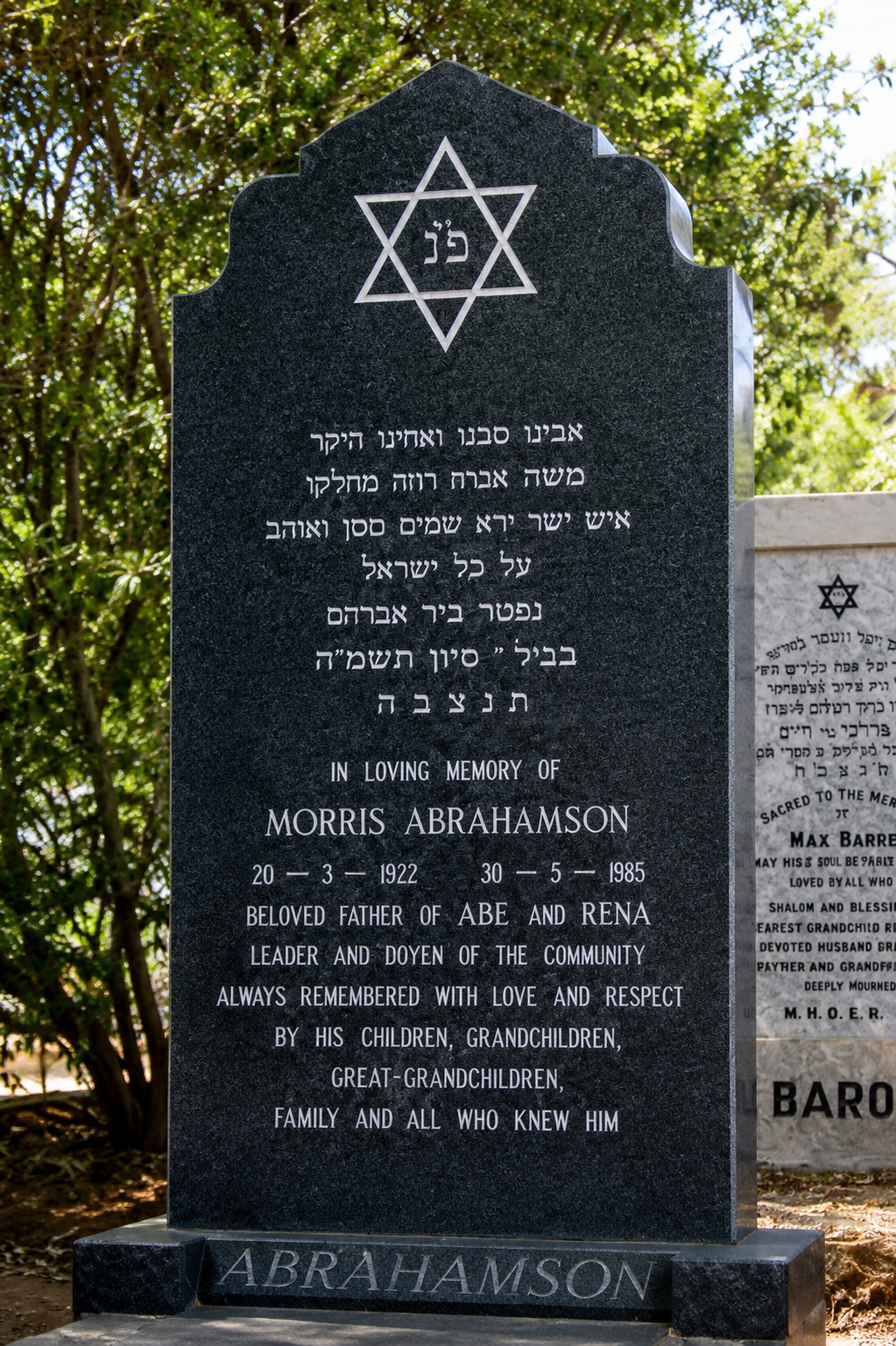
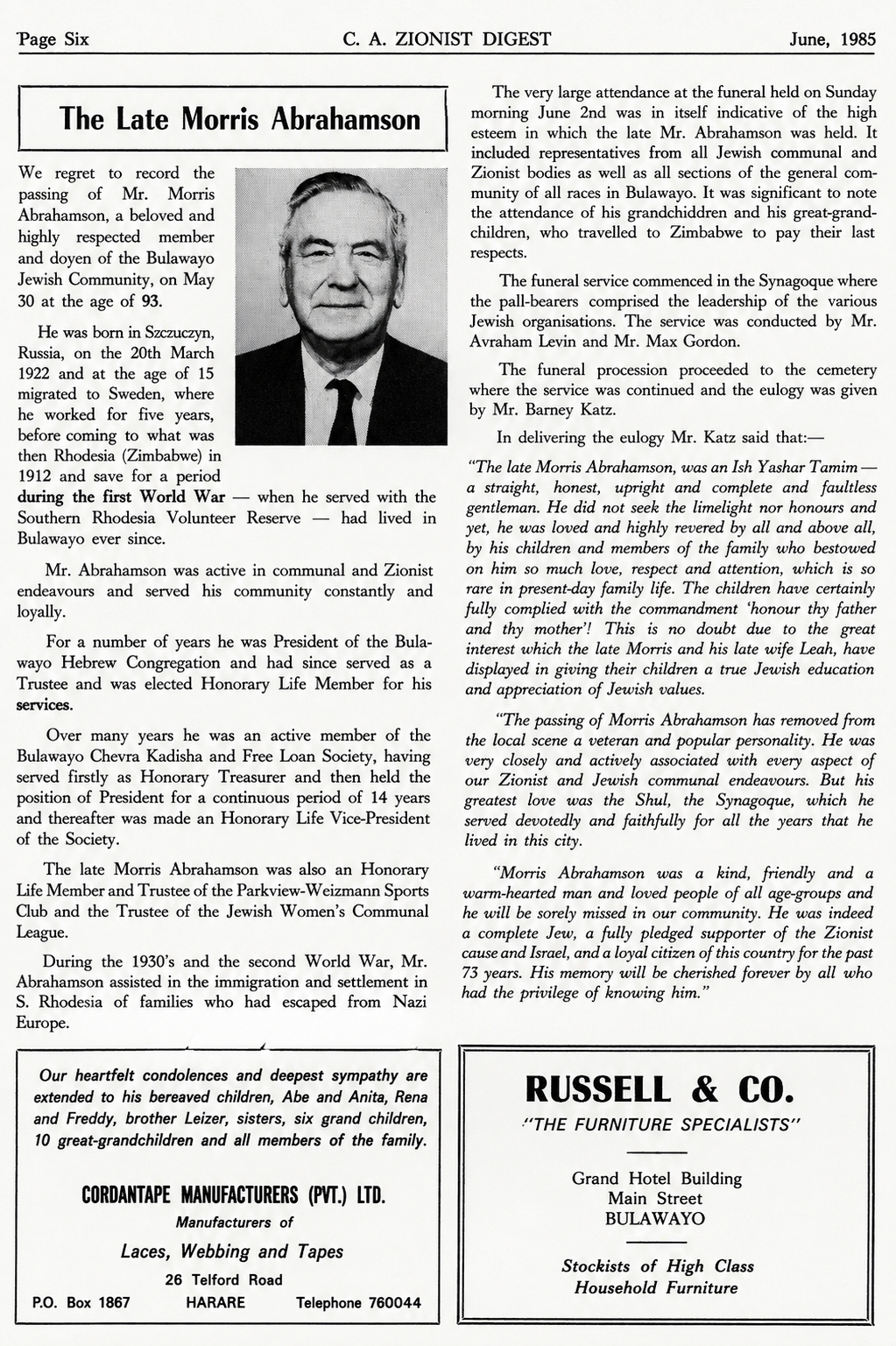
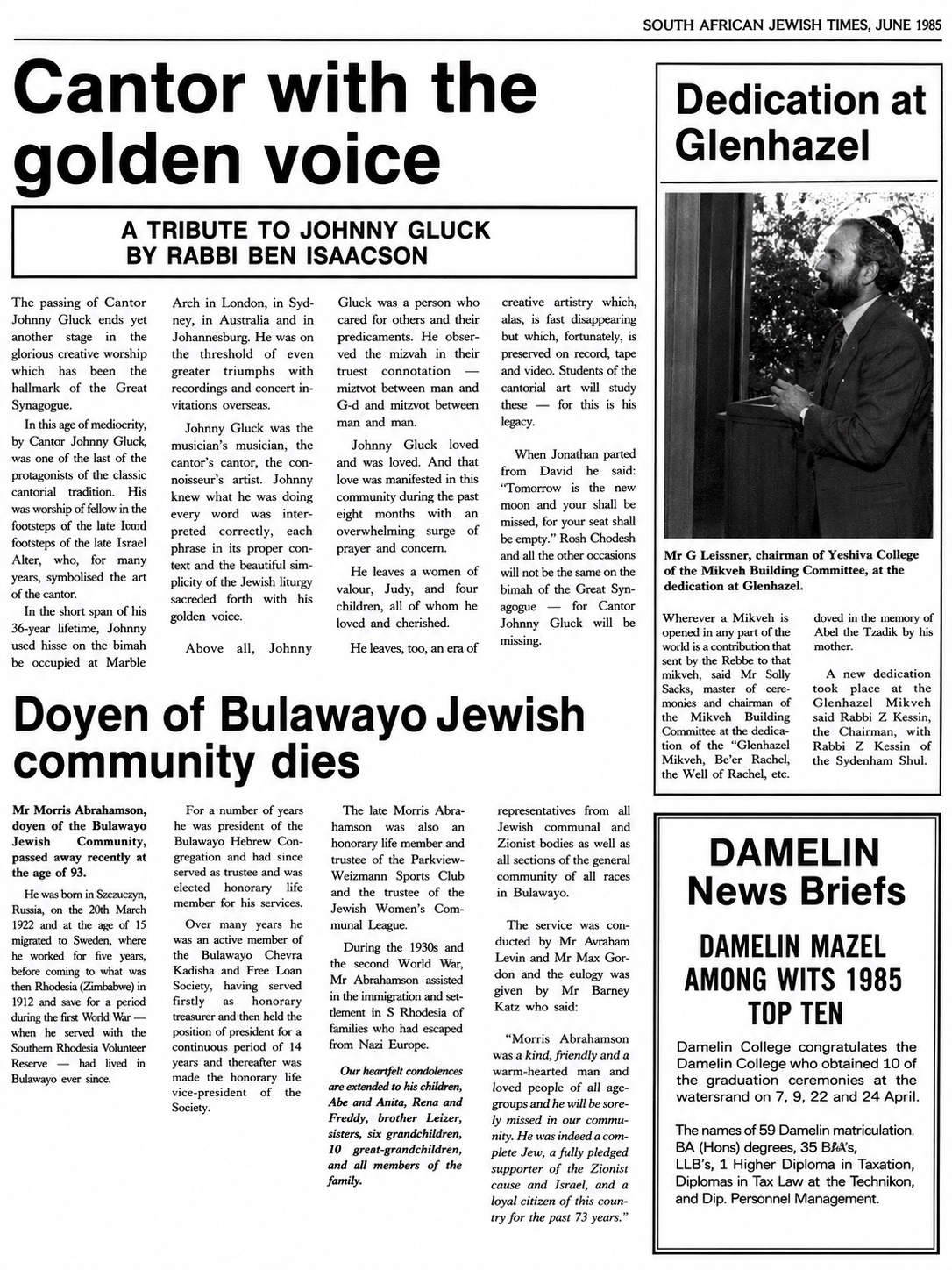
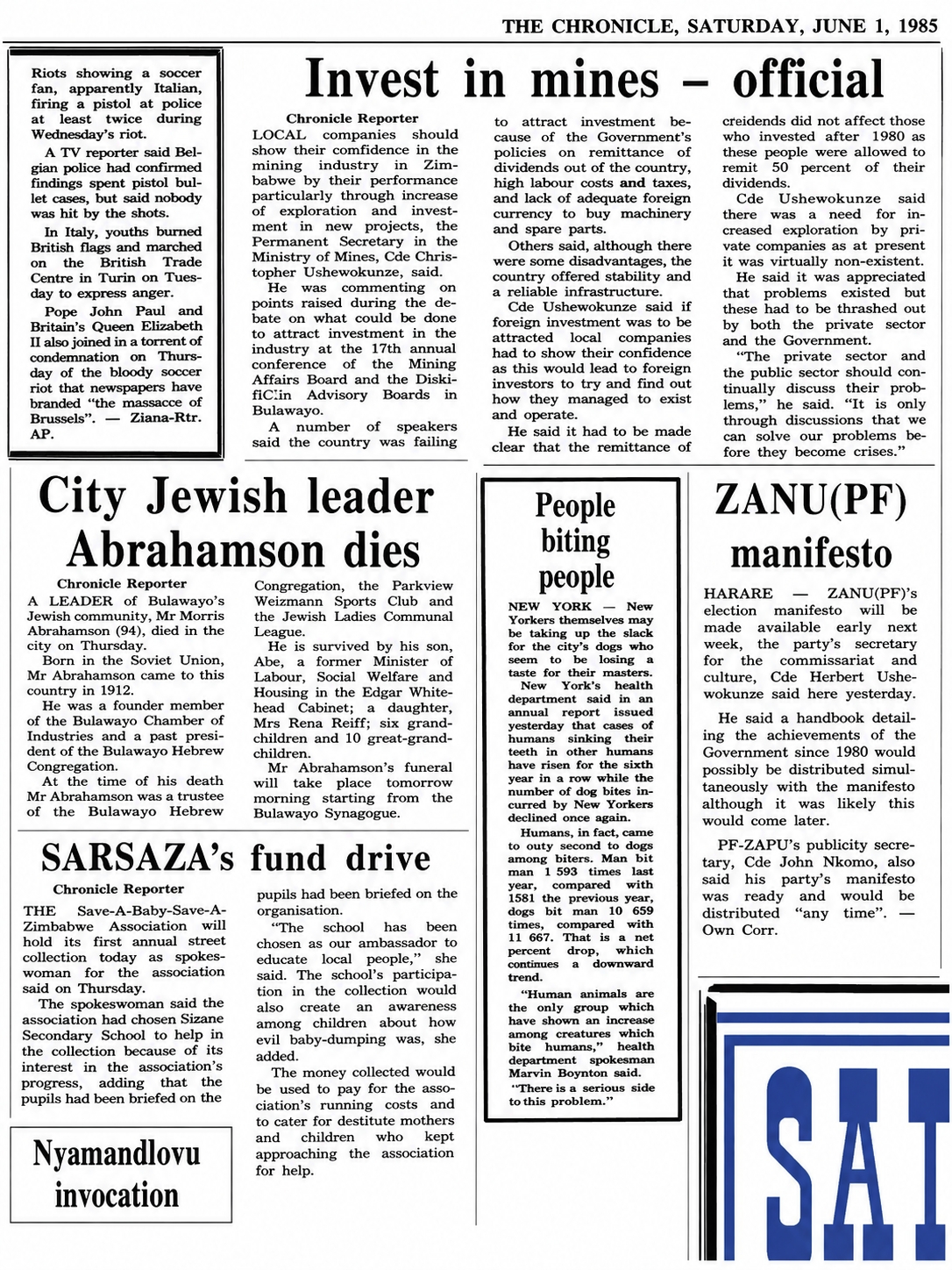
He died peacefully in Bulawayo on 30 May 1985 (10th Sivan), aged 93.
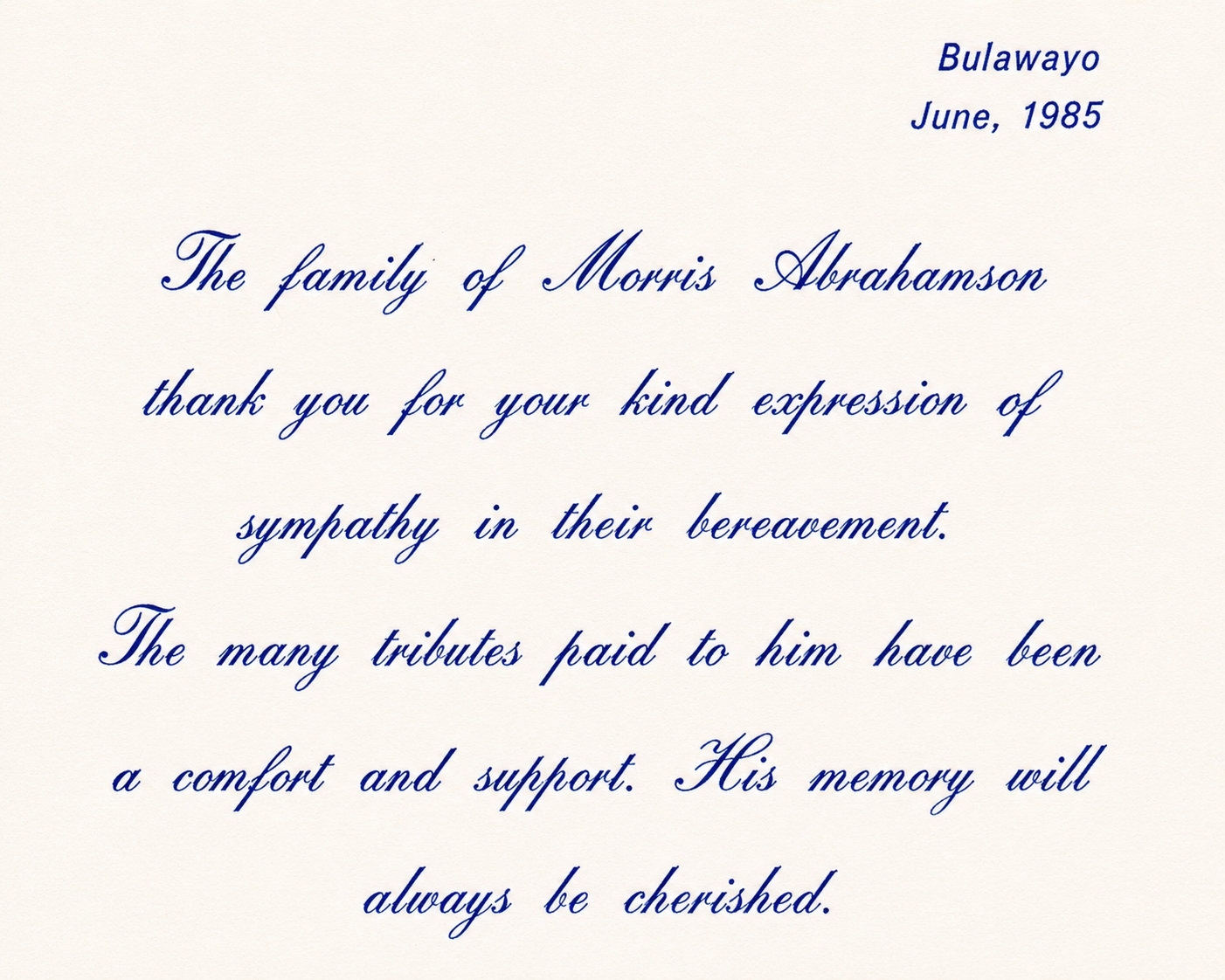
His funeral drew one of the largest gatherings in the history of Bulawayo's Jewish community. Representatives from every Jewish organization, together with many members of the wider Bulawayo community, attended to pay their respects.
In his eulogy he was remembered as:
"A straight, honest, upright and complete gentleman."
Another tribute described him as:
"A kind, friendly and warm-hearted man... a complete Jew, a fully pledged supporter of the Zionist cause and Israel, and a loyal citizen of his country."
Legacy
Morris Abrahamson belonged to the remarkable generation of Eastern European Jewish immigrants who transformed hardship into opportunity while preserving their faith and traditions. From a small town in the Russian Empire, through five formative years in Sweden, to a lifetime of achievement in Southern Rhodesia and Zimbabwe, his story reflects courage, perseverance and service.
He built a successful business, raised a distinguished family, welcomed refugees fleeing persecution, served his country in wartime, and became the moral centre of one of Africa's oldest Jewish communities.
Today he is remembered not only as a successful businessman or communal leader, but as a man whose kindness, integrity and unwavering commitment to Jewish life left an enduring legacy for his children, grandchildren and all who knew him.
DOCUMENTS
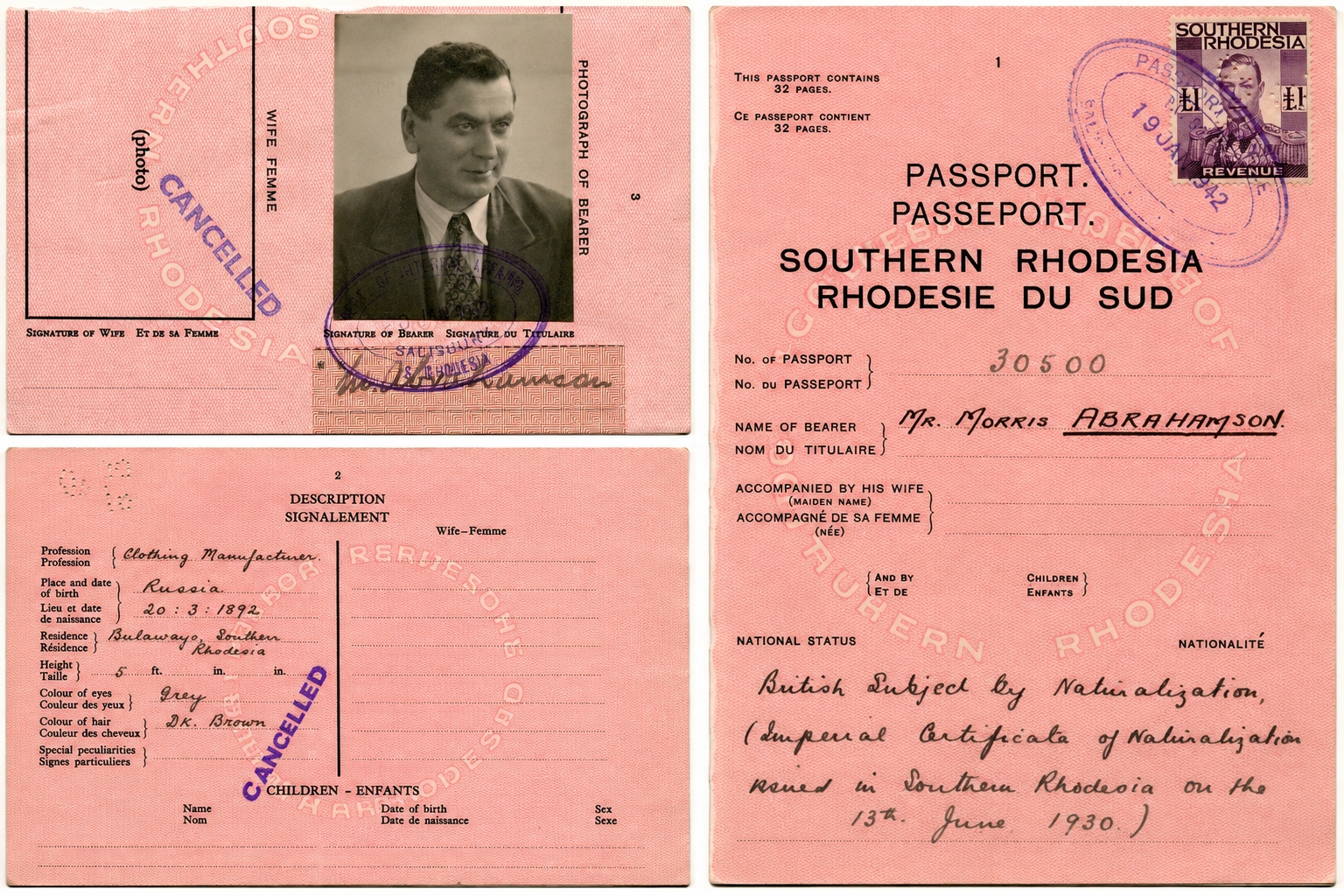
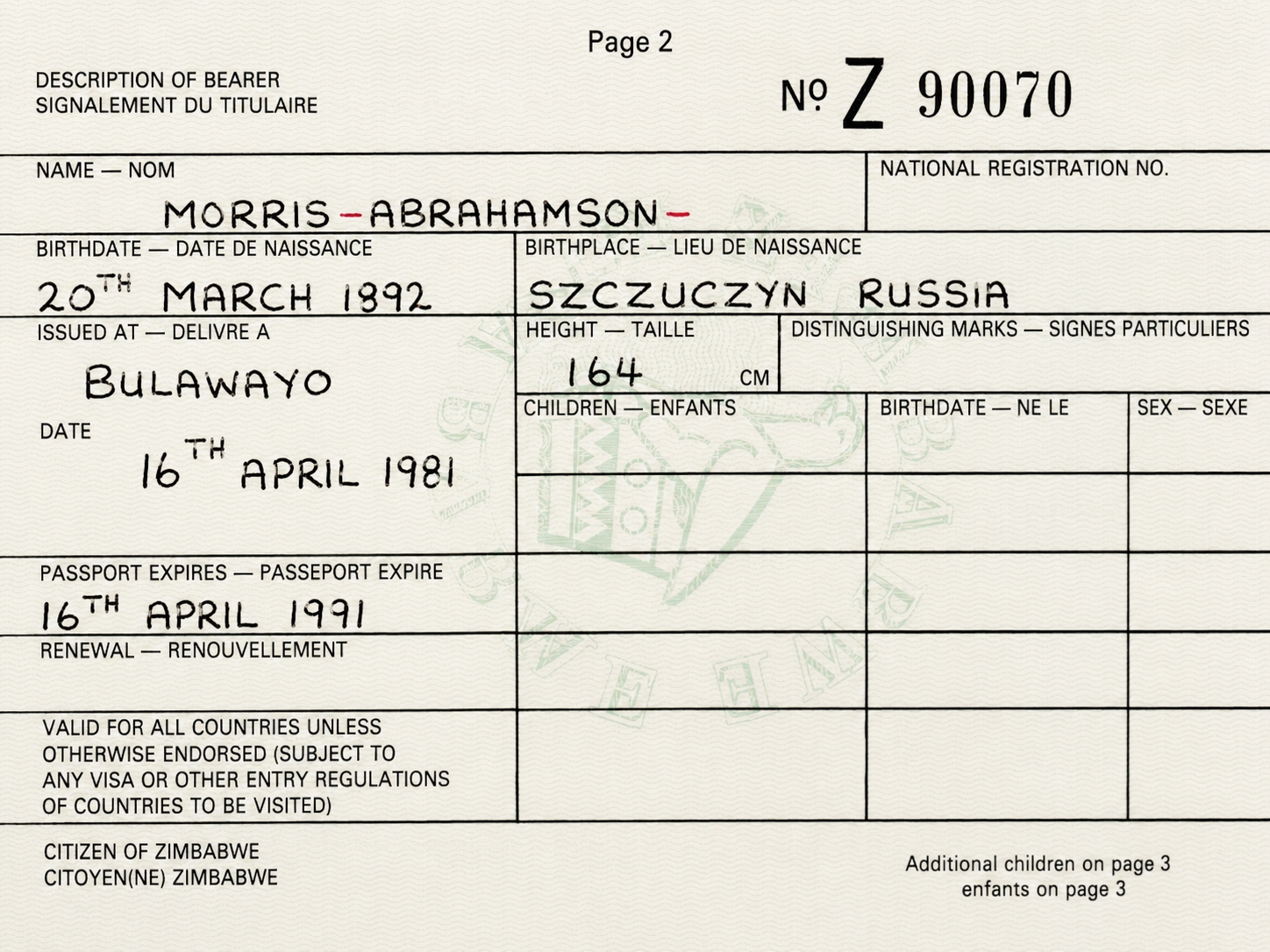
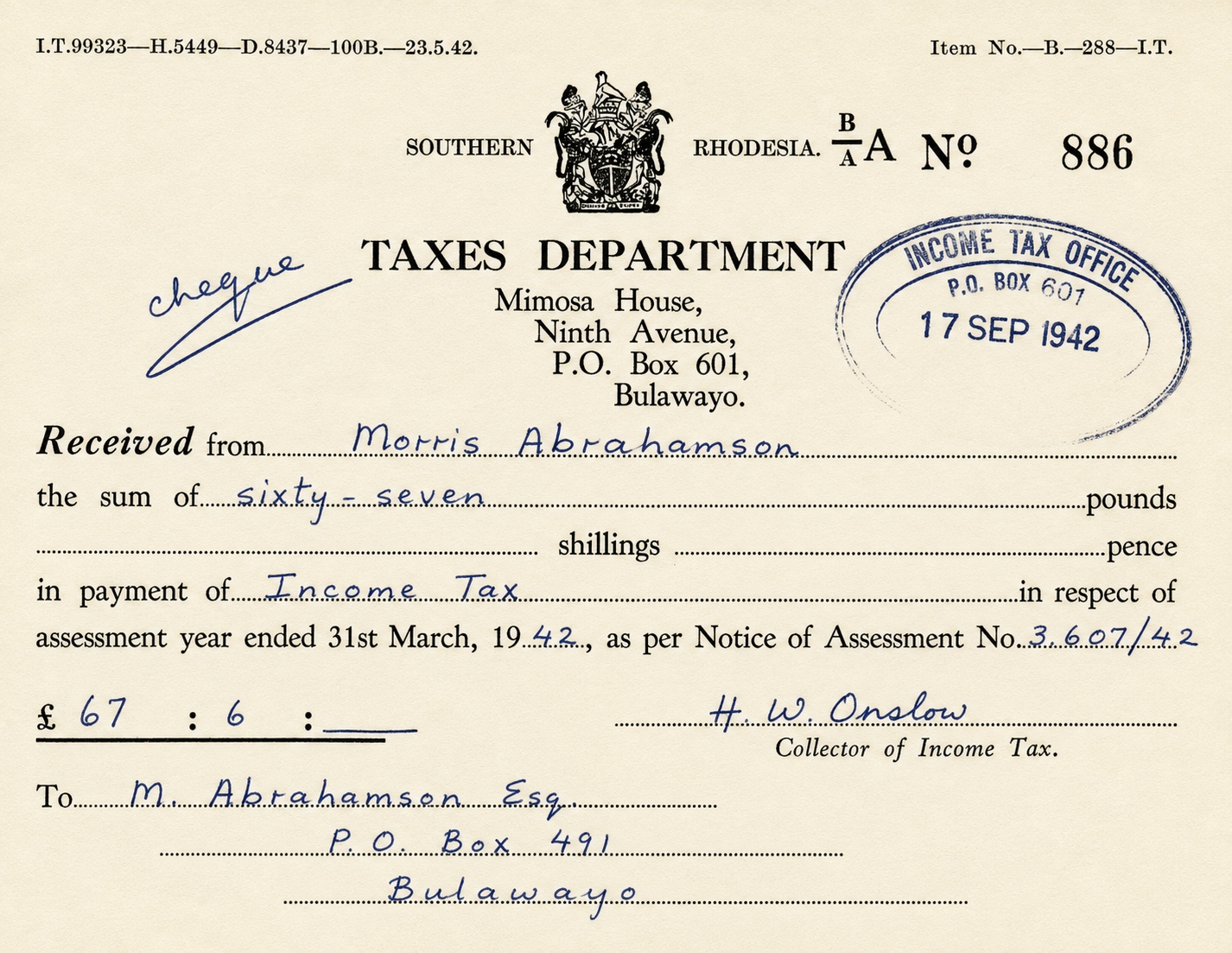
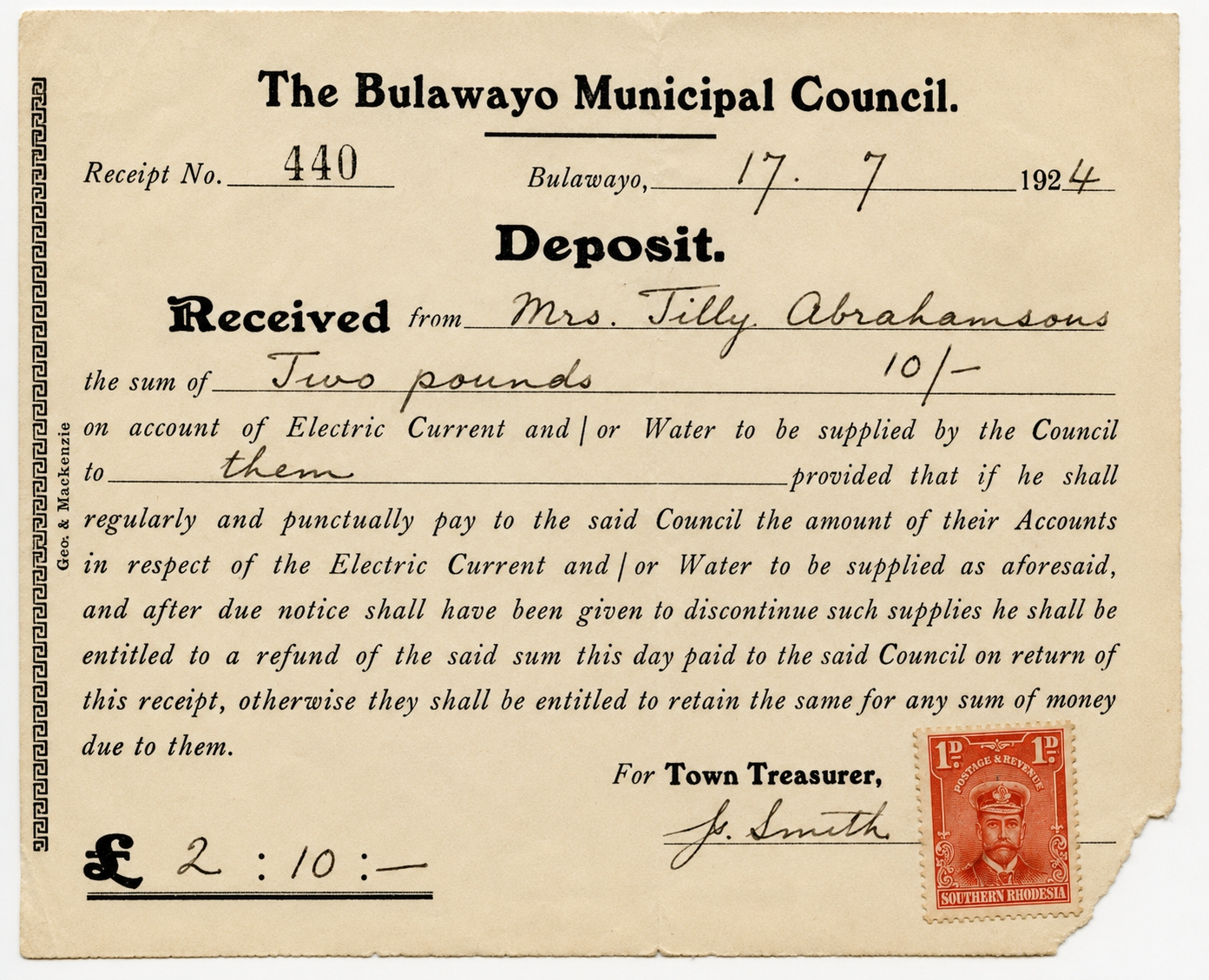
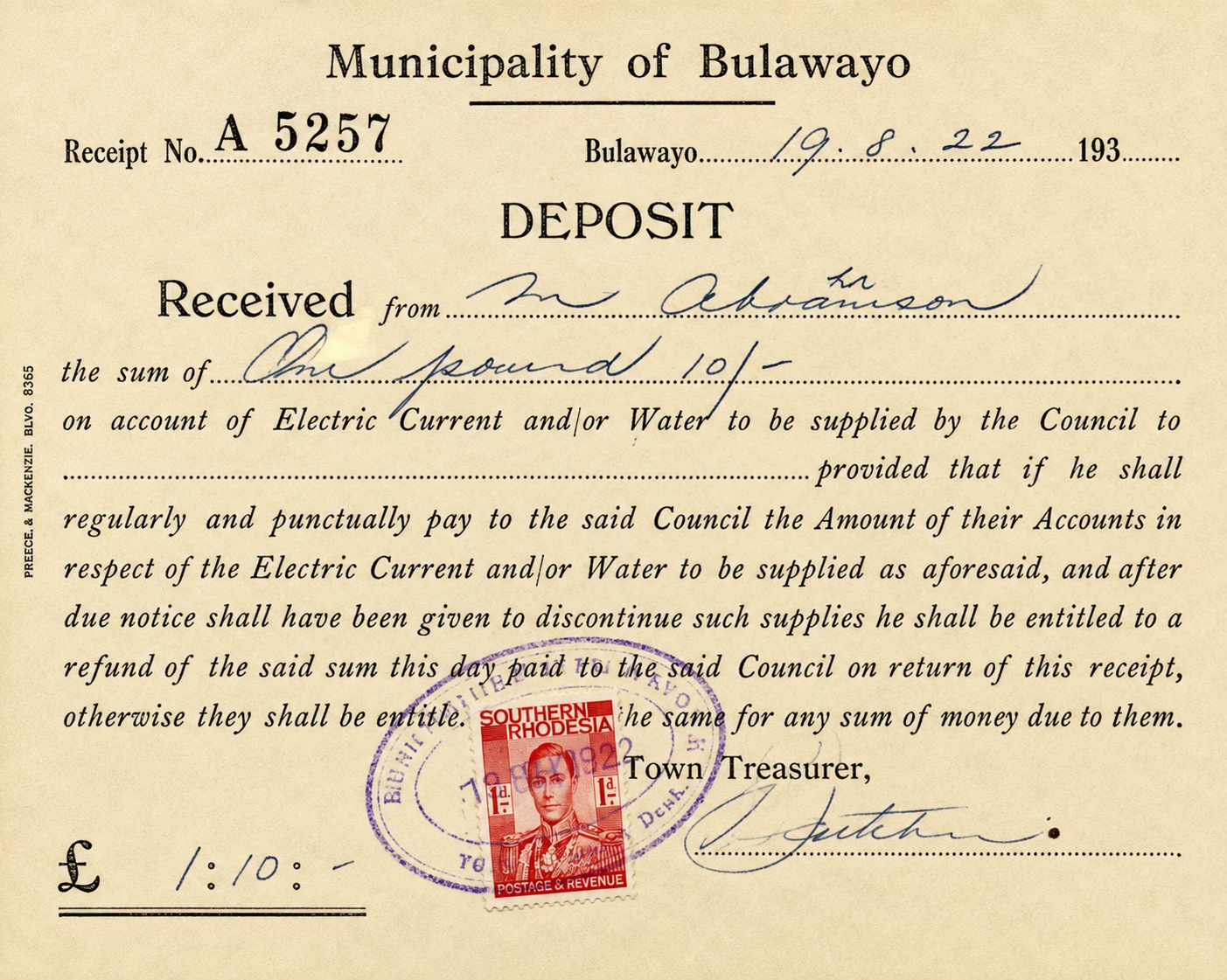
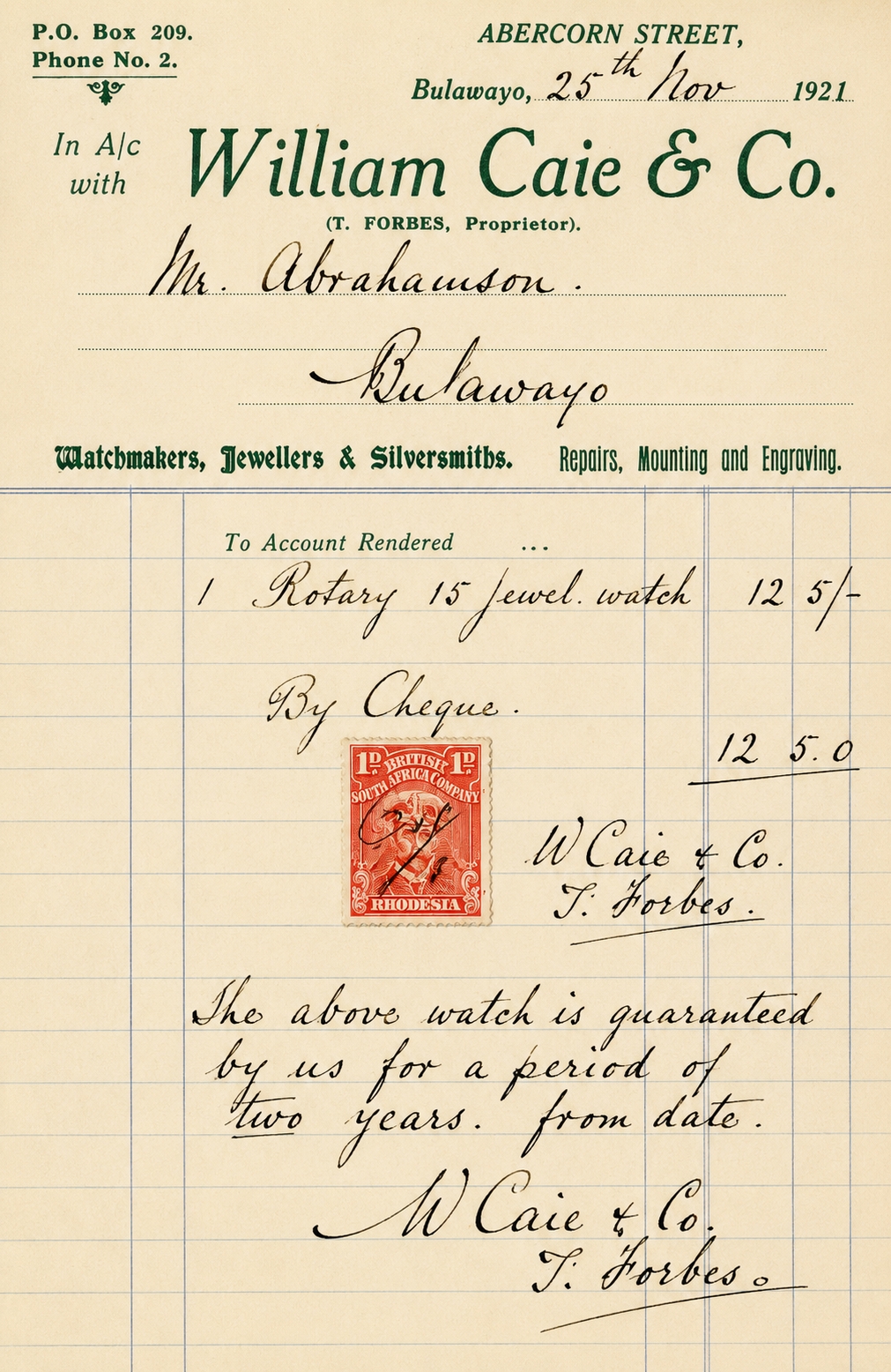
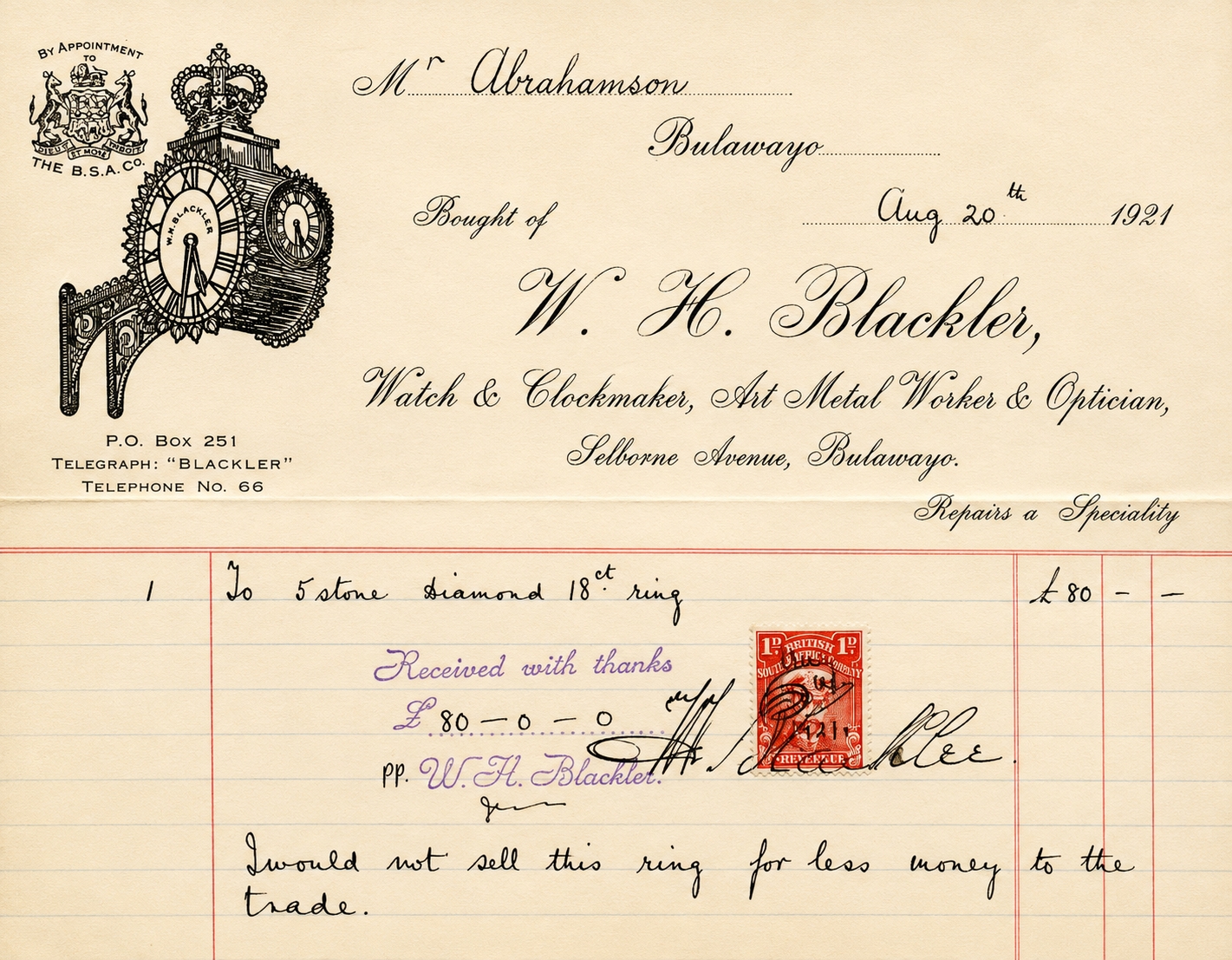
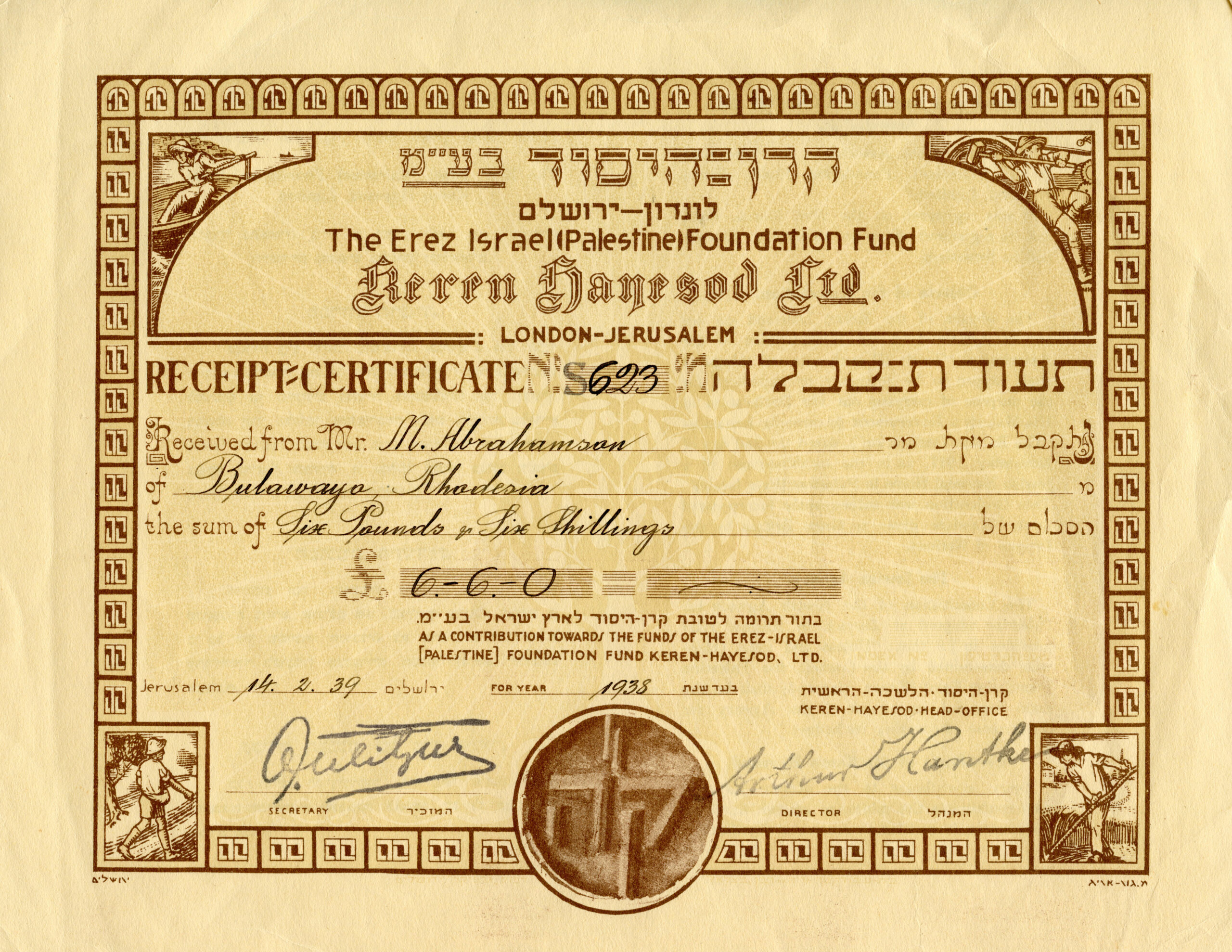
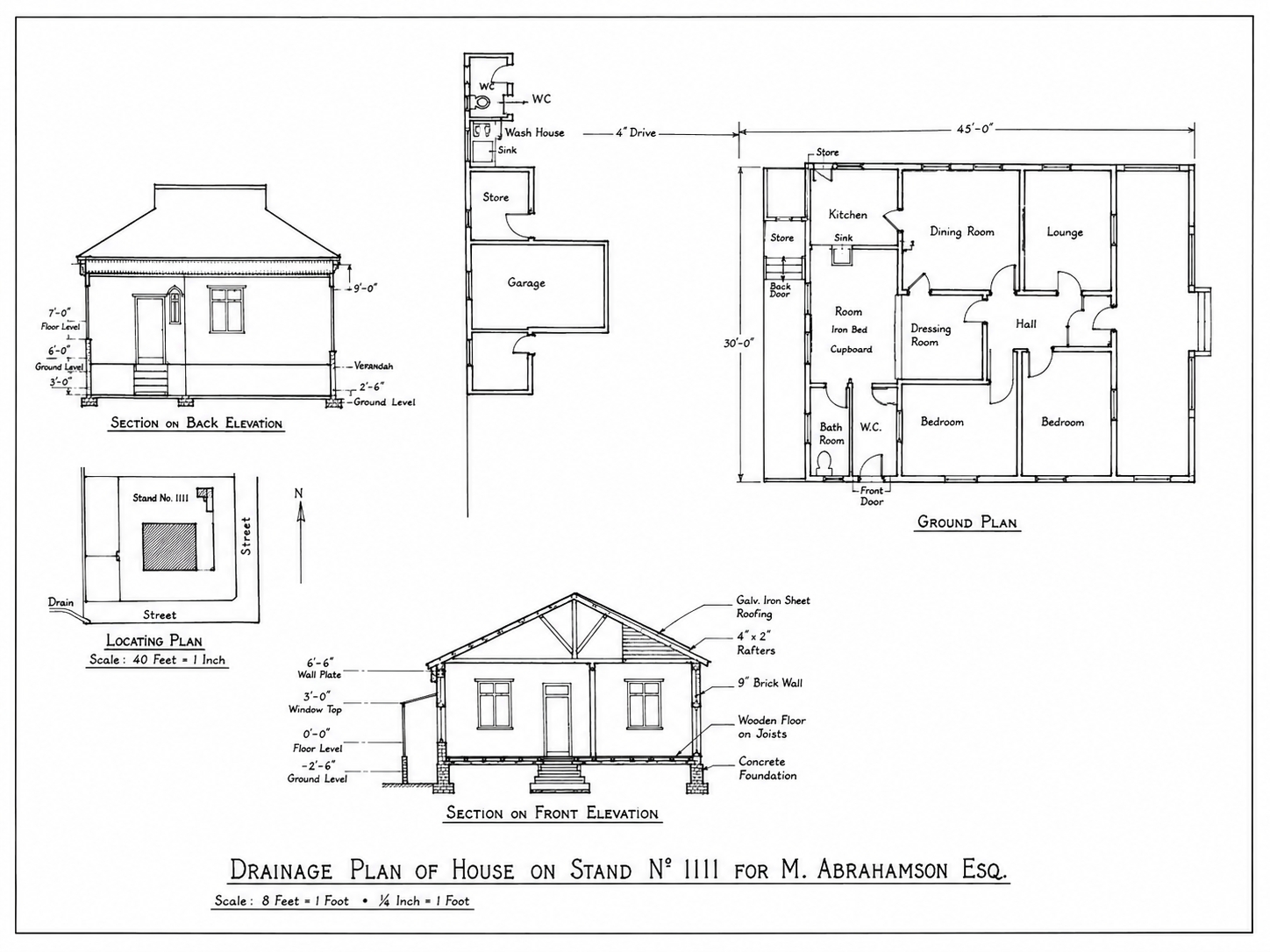
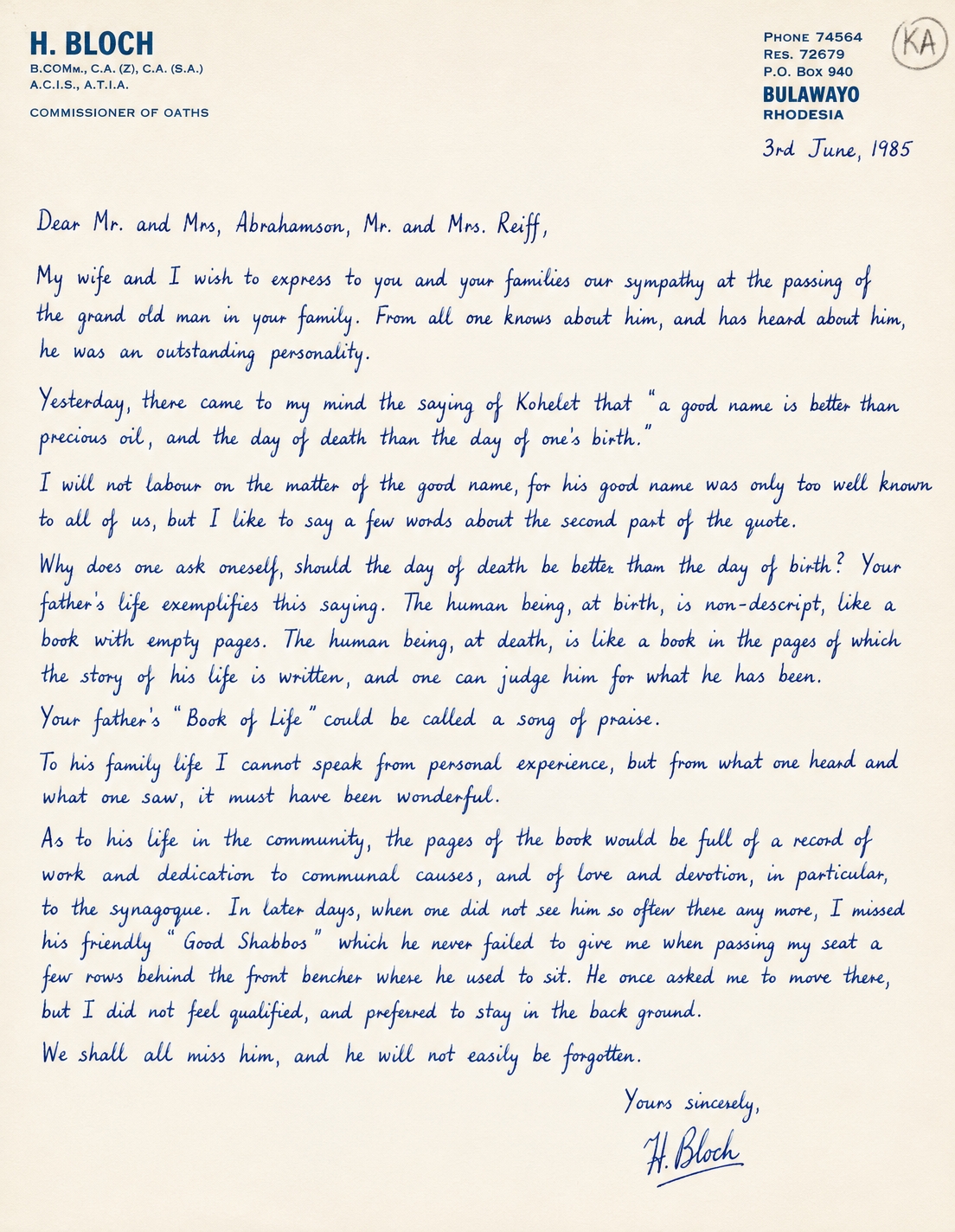
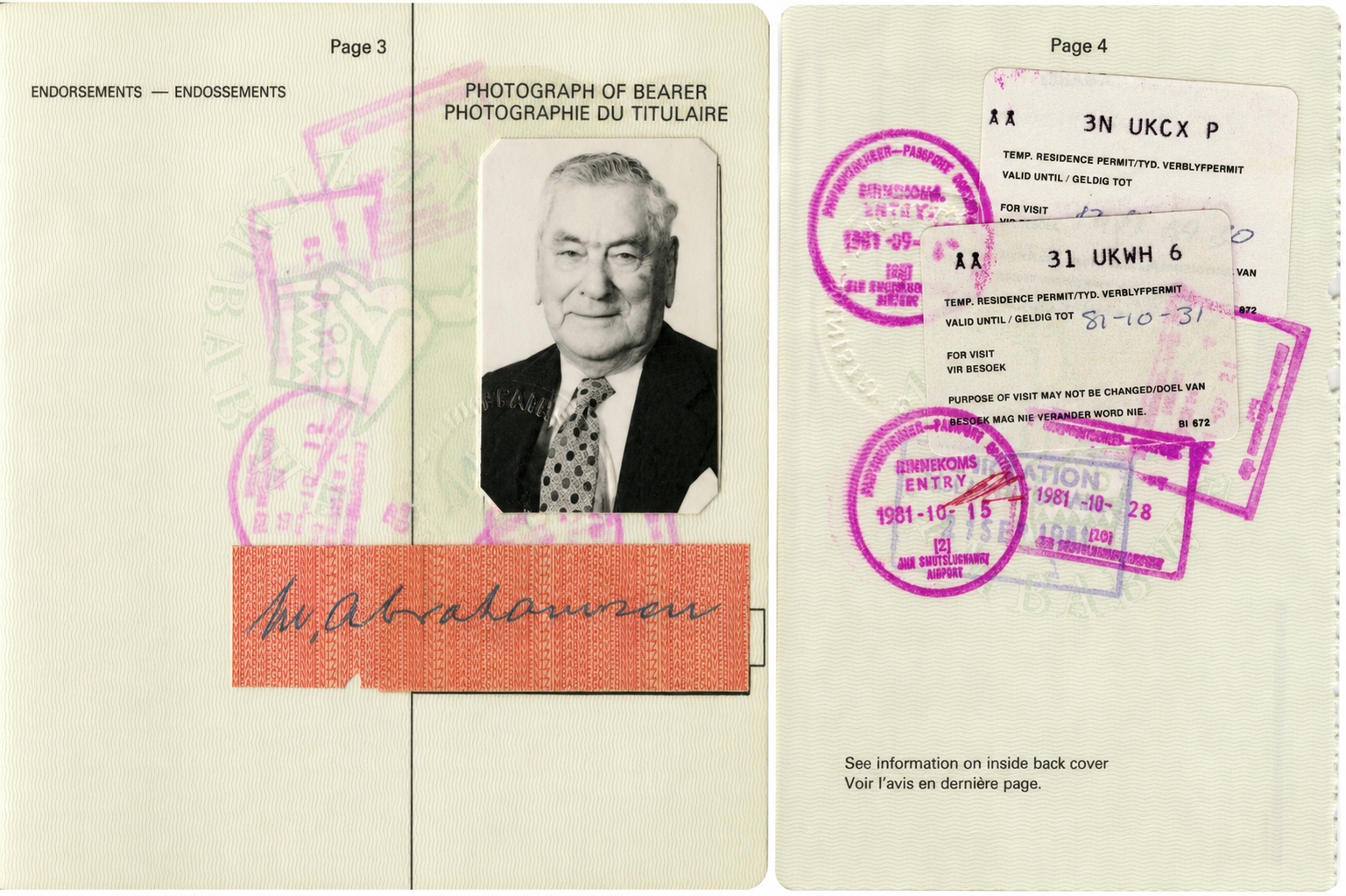
Moszk Abramowicz-Kacprowski's Birth Certificate 1891 Szczuczyn
Morris - document written Feb 1912. Confirms birthdate of 1892.
Moses Abramson reference by Rabbi (Feb 1912)